

Knee pain is one of the most common reasons people stop running, avoid the gym or dread the stairs. Whether it started with an injury, a sudden increase in training or simply years of wear, the knee usually feels better when the muscles around it are flexible, switched on and strong enough to share the load.
This guide gives you a structured, three-stage approach to knee rehabilitation: restore pain-free mobility and balance, wake up the quads, then build lasting strength. Each stage links to a detailed article so you can start today.
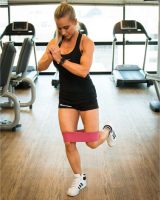
The knee is a hinge that sits between two long levers, the thigh and the shin, so it takes a lot of load every time you walk, squat, climb or run. It relies heavily on the muscles around it: the quads steer the kneecap and absorb force, the hamstrings help control the joint, and the glutes stop the knee from collapsing inwards.
When those muscles are tight, weak or slow to switch on, the joint and the tissue around the kneecap take more strain. That’s why knee pain often shows up when going down stairs, squatting or running. Before starting any programme, get a proper diagnosis from a health professional, especially if your knee is swollen, locks, gives way or follows an injury.
Struggling with stairs? Read knee pain going down stairs: why it happens and exercises that help. Runner? See runner’s knee exercises.
Two rules run through every exercise in this programme. First, stay within a pain-free range: muscle fatigue is normal, but sharp pain inside the knee is a sign to ease off. Second, watch your alignment. Keep your knee in line with your second toe and don’t let it cave inwards, and push through your heel rather than your toes. Getting these two right protects the knee while it gets stronger.
Find out which movements commonly aggravate sore knees in knee pain: exercises to avoid and what to do instead.
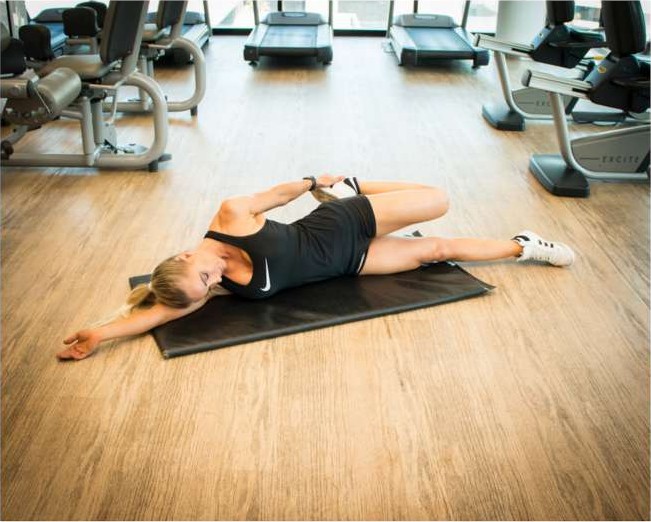
Stage 1 eases tension in the quads and hamstrings that pull on the knee and kneecap, and starts retraining balance. Gentle stretches and simple single-leg balance work prepare the knee to move freely and stay steady before you ask it to work harder.
Start with these 3 gentle knee stretches for pain and stiffness, and learn how to foam roll your quads safely.
After an injury or a long spell of knee pain, the quads, especially the inner quad just above the kneecap, often switch off. Stage 2 uses slow, low-intensity exercises such as terminal knee extensions, straight leg raises and single-leg balance to wake up the muscles that support and steer the knee.
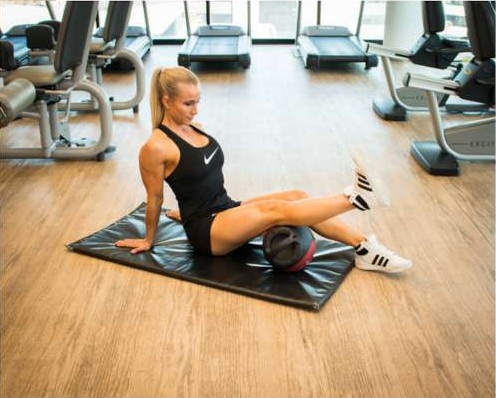
Learn how to do them in quad exercises for knee pain: how to switch on your quads.
Once your quads switch on reliably, Stage 3 builds the strength that helps protect the knee during everyday life and sport. The programme progresses from sit to stands and step ups to box squats, step downs, lunges and hamstring curls on a ball, so you only take on more load when you’re ready.
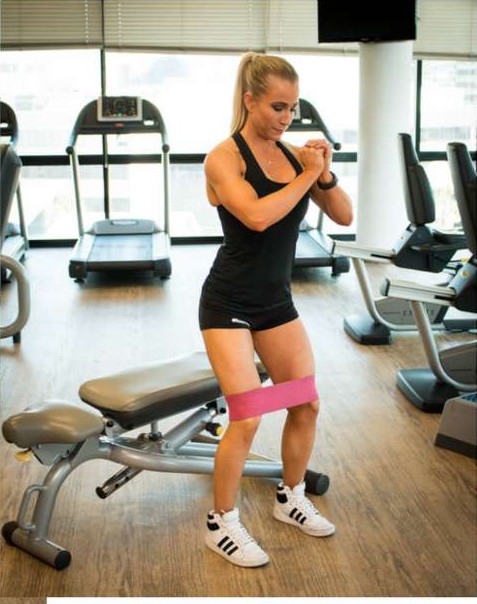
Try these knee strengthening exercises at home. Weak glutes often let the knee cave inwards, so also see weak glutes: signs and a simple test in the glute and hip rehabilitation guide.
Most of the programme can be done at home with minimal equipment:
Follow these rules throughout: get a diagnosis if you’re injured, stay pain-free, focus on form (film yourself and compare with the photos), and start at level 1 even if you’re fit. Every exercise in the full guide is rated 1 (beginner), 2 (intermediate) or 3 (advanced).
The same principles apply to all rehab. Read the 7 rules to follow before you start.
Answers to the questions clients ask most when starting knee rehab.
It depends on the cause of your pain and how consistent you are. Many people notice their knee feels less stiff within a few weeks of regular mobility and activation work, but building strength usually takes longer, often two to three months of steady progression. Always follow the timeline your health professional gives you.
Yes. Most of the programme needs only a mat, a resistance band, a sturdy chair or bench and a low step. See these knee strengthening exercises you can do at home.
Gentle, controlled movement within a pain-free range usually helps more than complete rest, but avoid anything that causes sharp pain inside the knee. See a doctor first if your knee is swollen, locks, gives way, or the pain followed a fall or twist. Read knee pain exercises to avoid.
Going down stairs asks the quads to control your body weight as the knee bends, which puts a lot of load through the front of the knee. If the quads and glutes aren’t strong or well controlled, that area can become sore. See knee pain going down stairs: exercises that help.
The programme was created by Sarah Lotter, an online fitness coach with over 17 years of experience and a BSc (Med)(Hons) in Exercise Science from UCT. The exercises come from the programmes she uses with her own rehab and training clients. If you would like a plan built around you, have a look at her online coaching.
Yes. Every exercise is rated 1 (beginner), 2 (intermediate) or 3 (advanced), and the guide includes beginner, intermediate and advanced workout plans, so you can start at your level and progress safely.
Sarah Lotter is an online fitness coach with over 17 years of experience and a BSc (Med)(Hons) in Exercise Science from the University of Cape Town. Over the years she has coached many clients with very different goals, from rehabilitation and injury recovery to athletes, bodybuilders, busy corporate clients and new moms. The exercises in this guide come from the programmes she uses with her own clients. Meet your coach or explore online coaching with Sarah.
This guide gives you the overview, but real progress comes from following a consistent, structured plan.
The complete Knee Rehabilitation guide includes:
Professional Medical Disclaimer: Please ensure that prior to starting any of the exercises or protocols outlined in this guide, you obtain a correct clinical diagnosis from a qualified health professional if you are currently carrying an injury, and that you remain under the direct advisement of your health professional throughout your recovery journey.
