Introduction
Once your lower back pain has settled and you have learned how to switch on your body’s deep stabilizing core muscles, you reach a critical turning point in your recovery journey. Many people stop their routines as soon as the acute discomfort disappears, only to find themselves re-injuring their back a few months later. To break this cycle, you must transition from reactive rehabilitation to proactive “prehab” and general strengthening.
The final phase of a complete recovery involves packing functional strength on top of a stable spinal foundation. Fortunately, building a resilient back doesn’t require a commercial gym membership, specialized machines, or massive spaces. By focusing on targeted, precise movements, you can easily isolate structural weak points and bulletproof your spine from the comfort of your own home.
This home-strengthening framework represents Stage 3 of our comprehensive 3-Stage Guide to Back Rehabilitation. To review how mobility and core bracing lay the foundation for these strength movements, explore the main hub guide.
Sarah’s Methodology: Strengthening to Isolate “Weak Spots”
In rehab training, strengthening isn’t about lifting as much weight as possible; it is about balance. Sarah’s core methodology dictates that strengthening exercises should be used specifically to work on and isolate identified muscular weak spots across your kinetic chain.
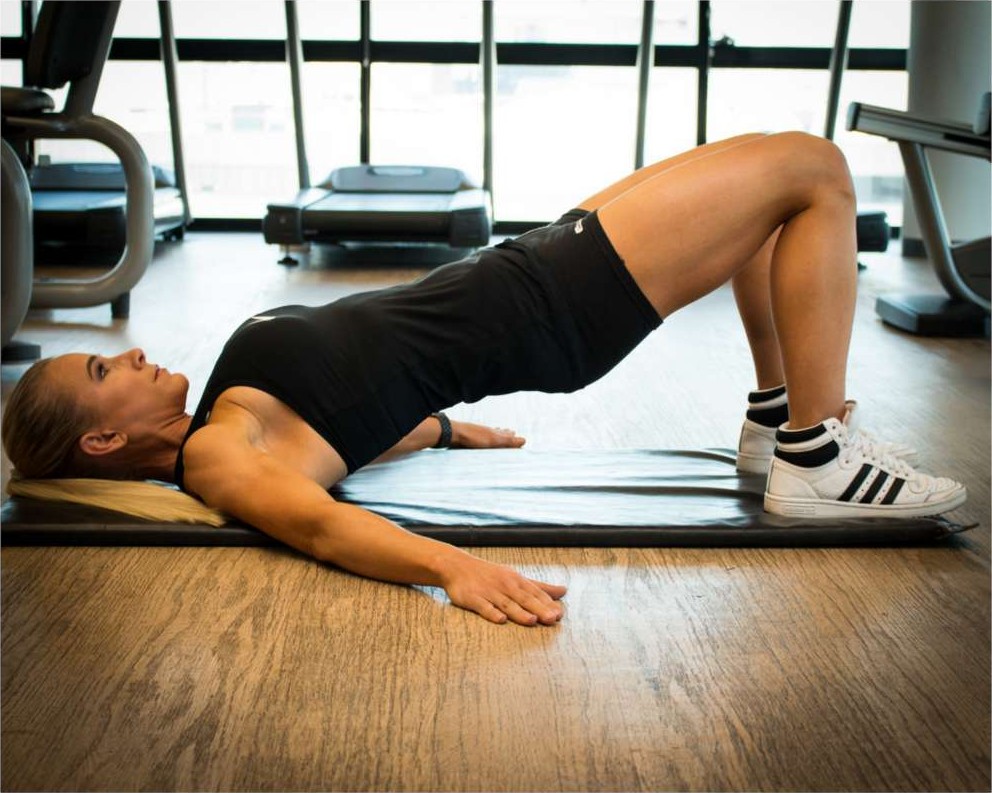
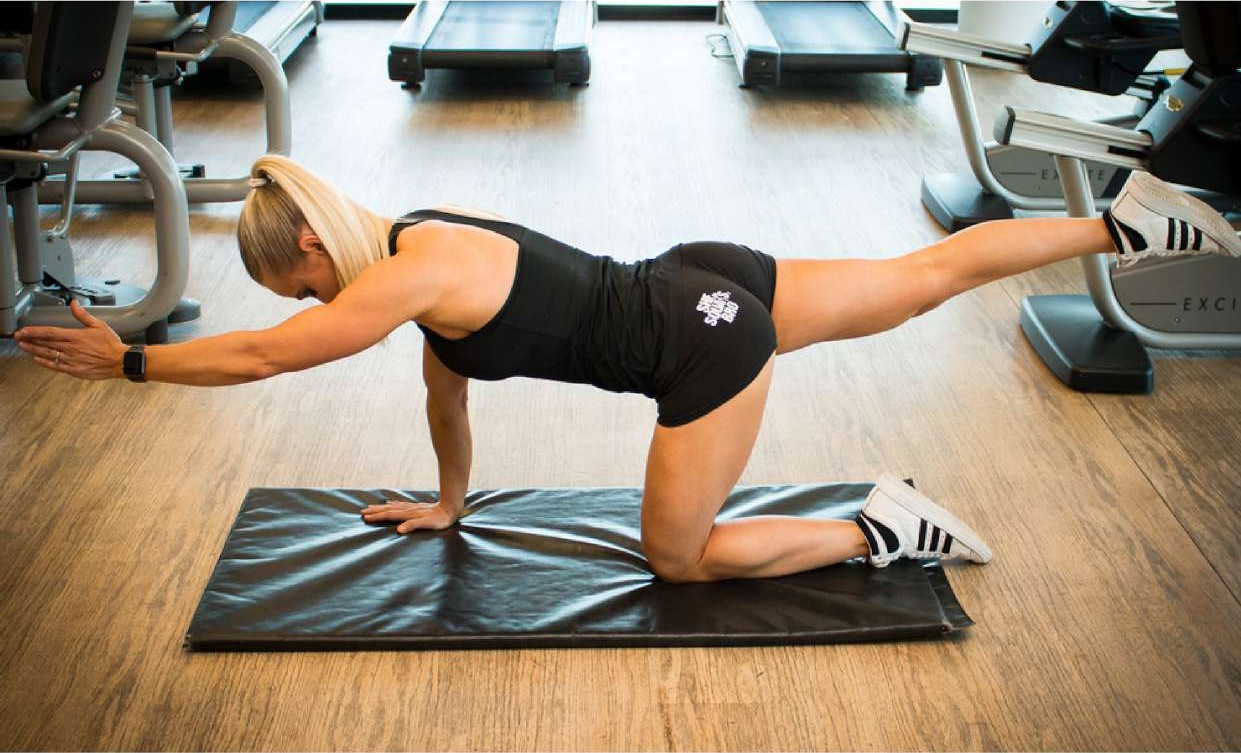
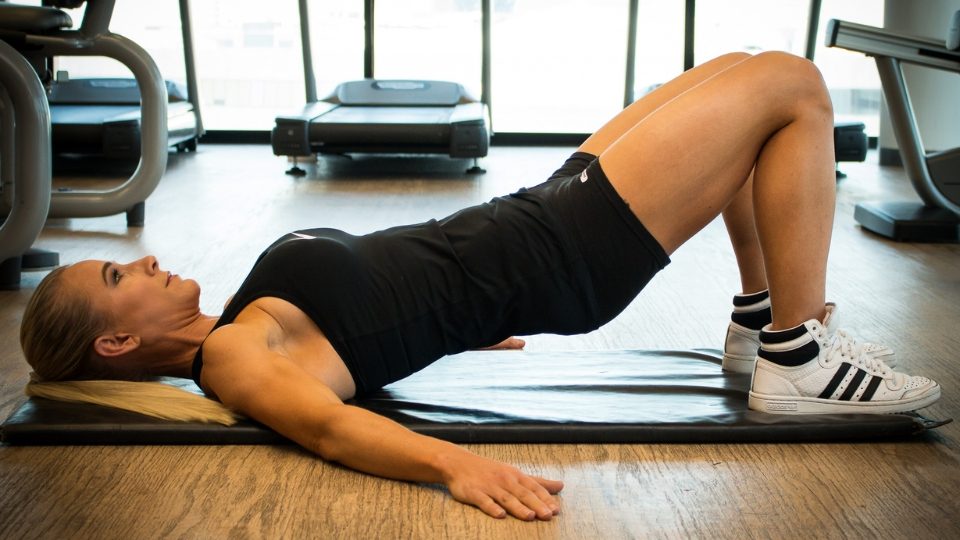
When global muscle weakness is present, the larger muscle groups or the spinal joints themselves are forced to absorb everyday moving loads, leading to recurring structural mal-alignment, joint locking, or nerve compression. By using precise home exercises to target underactive muscles—such as the glutes, hamstrings, and erector spinae—you build a balanced, protective network around your skeletal frames.
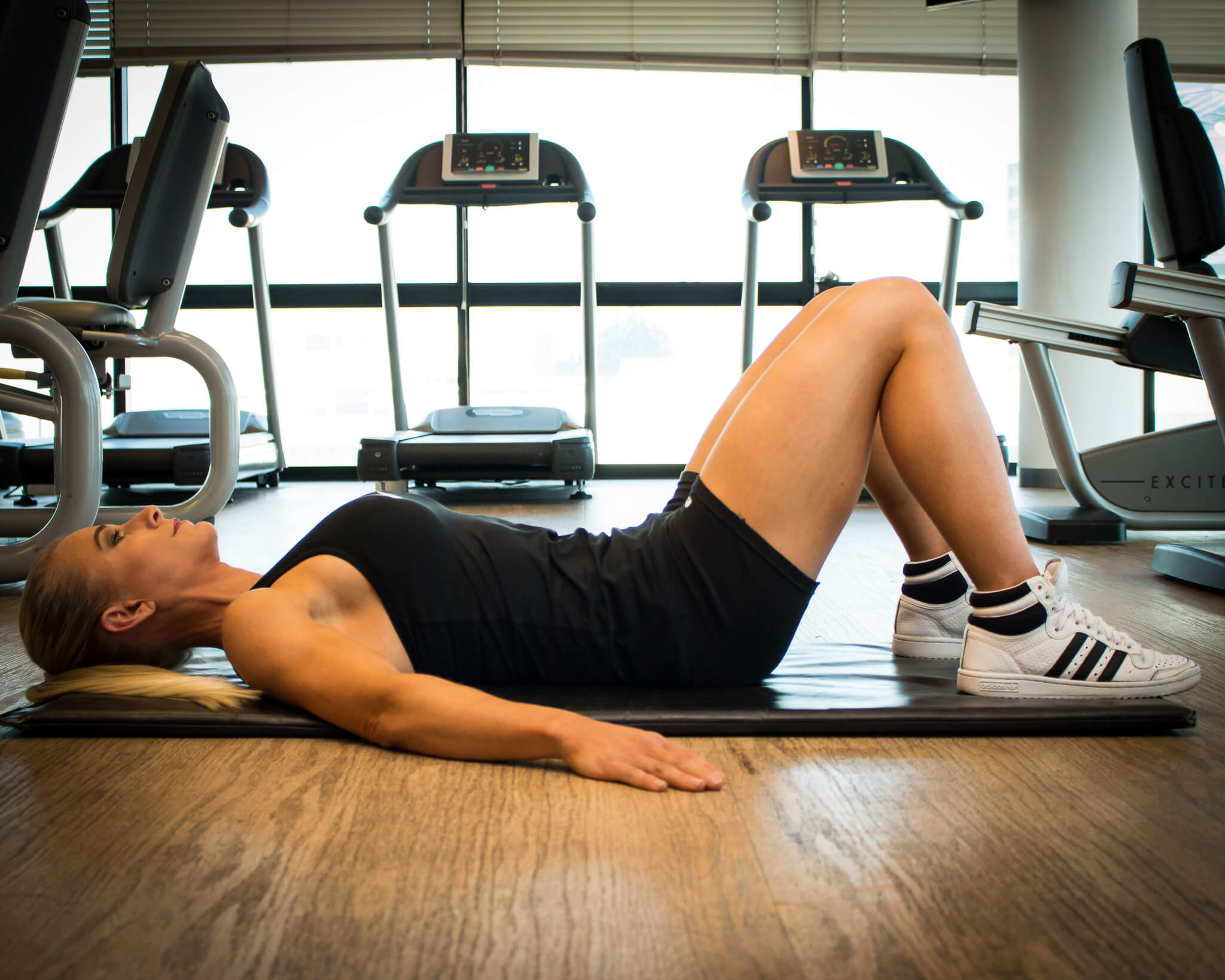
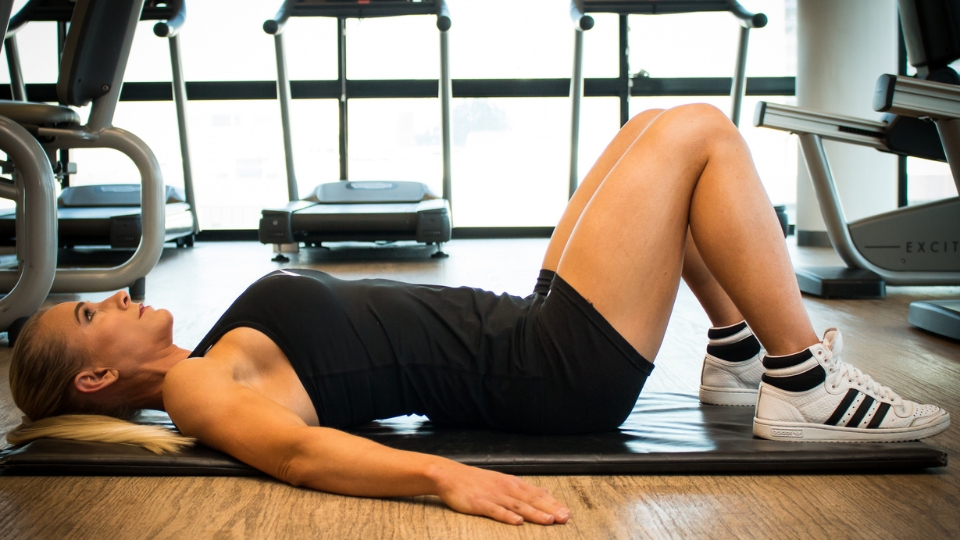
Before adding load to these movements, your nervous system must already know how to deploy the foundational core settings. Every strength exercise should be initiated only after establishing a safe Neutral Spine or Imprinted Spine alignment and engaging the deep stomach wall via the Corset Effect Core Activation Technique.
Effective Rehab in Small Spaces with Minimal Gear
One of the greatest barriers to a consistent physical routine is the friction of traveling to a gym or investing in bulky fitness machinery. Sarah designed this protocol to remove as many of those hurdles as possible.
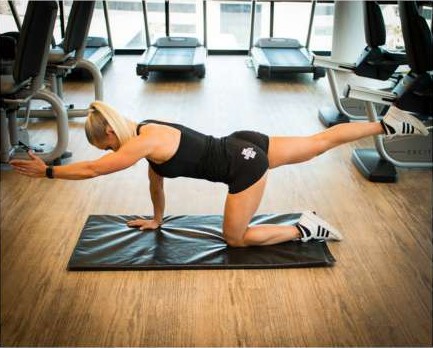
By leveraging bodyweight mechanics and simple tools like resistance bands or light weights, you can apply localized, controlled tension to target tissues. This minimalist setup allows you to prioritize form perfection and clean muscle tracking over raw, uncontrolled power—maximizing your safety during every home workout session.
How to Track Progress Using the Level 1–3 Difficulty Rating System
To prevent progress plateaus and help make sure you are not overloading healing tissues, Sarah utilizes a structured Difficulty Rating System (Levels 1 to 3) throughout her curriculum. This system allows you to accurately measure and scale your physical progress:
- Level 1 (Beginner/Base): Focuses on basic static positions, small ranges of motion, and learning to keep your core muscles activated while moving a single limb.
- Level 2 (Intermediate/Progression): Introduces larger ranges of motion, multi-joint movements, and slightly longer times under tension to challenge your muscular endurance.
- Level 3 (Advanced/Functional Strength): Combines coordination, balance, and progressive resistance, preparing your body to effortlessly manage real-world, functional daily loads (like lifting groceries, playing sports, or bending over safely).
As you advance through these levels, always remember the key safety filter: The Pain Rule. While deep muscular fatigue, burning, and structural warmth are clear signs of an effective strength workout, at no time should you experience sharp, pinching, or radiating structural pain.
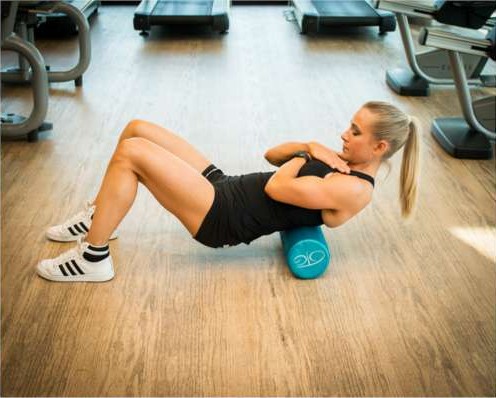
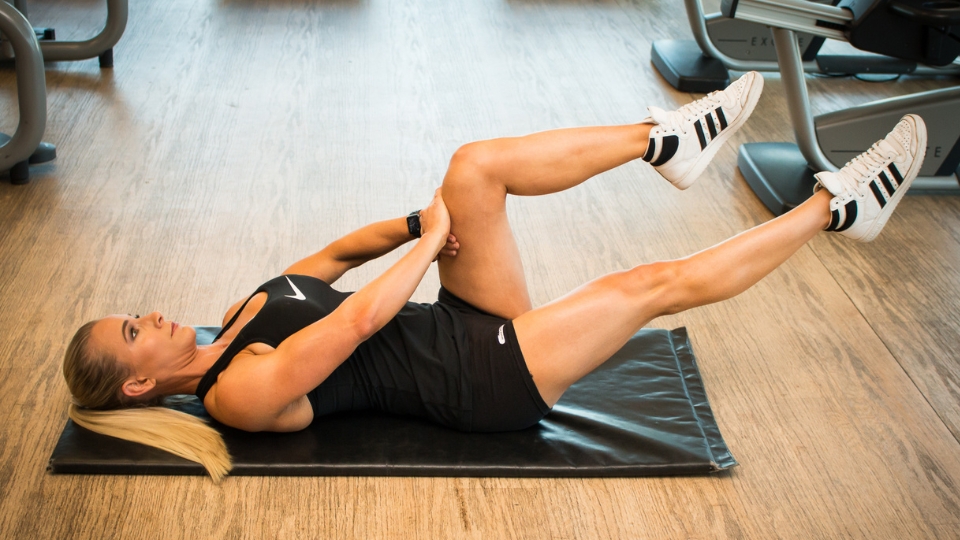
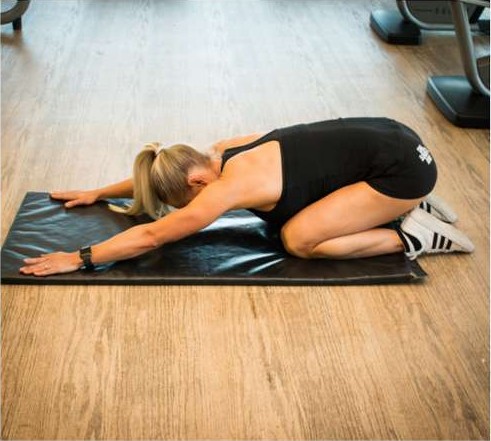
To ensure your body mechanics are tracking perfectly as the exercises increase in difficulty, Sarah strongly advises performing your routines in front of a mirror or using your smartphone to take photos/videos of your posture. Comparing your live movement patterns directly against professional reference imagery is a reliable way to check you are executing the movements cleanly.
Conclusion
Transitioning from pain relief to functional strengthening is how you win back complete, long-term confidence in your body. By isolating your weak spots with structured home exercises, you shift your back out of a fragile, injury-prone state and build lasting spinal longevity.
Ready to systematically build a strong, resilient back at home? Stop guessing which exercises are safe for your spine. Join our dedicated community of strong backs and gain immediate access to the full, day-by-day progression plan. Download Sarah’s complete 3-Stage Back Rehabilitation Manual to unlock over 30 targeted exercises across Levels 1–3, complete with detailed photographic demonstrations, technical biomechanical cues, and custom home routines designed by Sarah from over 17 years of coaching experience.
Disclaimer
Please ensure that prior to starting any of these exercises you obtain a correct diagnosis from a health professional if you are currently carrying an injury, and that you remain under the advisement of your health professional.