Introduction
If you suffer from recurrent back pain, you have likely been told that you need to “build a stronger core.” However, many traditional core routines—like heavy sit-ups, aggressive planks, or twisting movements—actually worsen back issues. Why? Because there is a massive difference between global muscle strength and local muscle activation.
When you are recovering from a spinal injury or managing daily stiffness, adding physical load to dormant core stabilizers forces your lower back joints and discs to absorb the stress. Before you try to strengthen your body, you must establish a strong mind-muscle connection and turn on your deep stabilizers.
This activation methodology represents Stage 2 of our comprehensive 3-Stage Guide to Back Rehabilitation. If you haven’t mastered your spinal alignment yet, be sure to read through the main hub before attempting activation.
Why a “Weak Core” is Usually a Dormant Core
Many clients who present with chronic lower back discomfort do not actually lack physical abdominal strength; instead, they have lost the neural pathway required to fire their internal support structures. Your spine relies on deep, local stabilizing muscles—such as the transversus abdominis—which wrap around your midsection like a built-in back brace.
When these muscles remain dormant during everyday activities like lifting, bending, or sitting, your lower back falls into structural mal-alignment. To protect the spine, we must learn to isolate and wake up these weak spots intentionally before moving on to loaded movements.
Mastering the “Corset” Effect: The Belly Button to Spine Cue
To activate your deep stabilizers without shifting your pelvis or straining your neck, Sarah uses a highly effective visualization technique known as the “Corset” Effect.
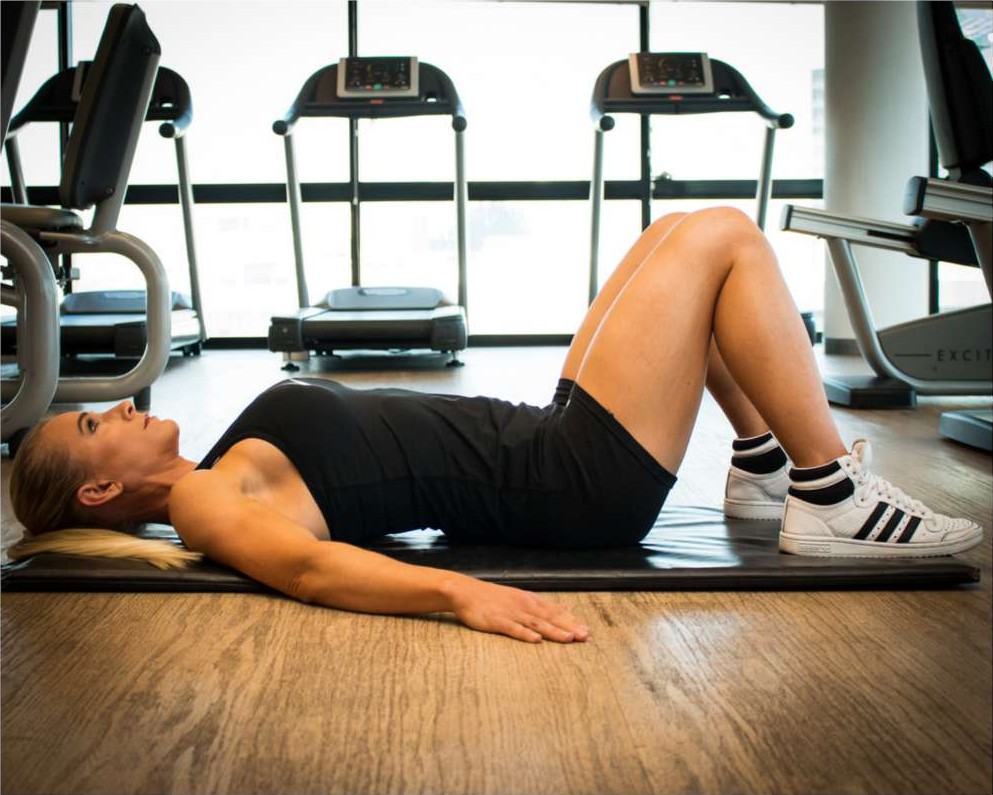
How to Perform the Core Breath Activation:
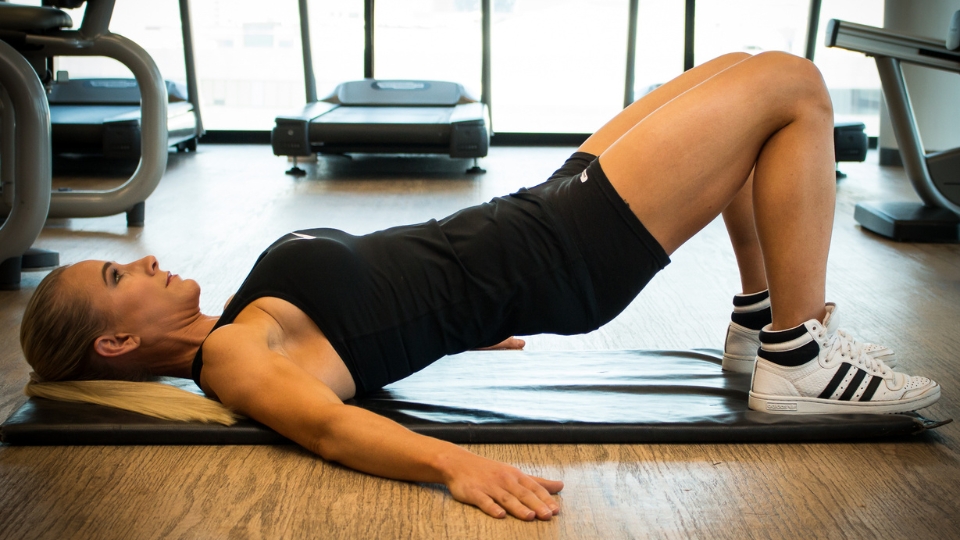
- The Setup: Lie flat on your back on a supportive exercise mat with your knees bent, feet flat on the floor hip-width apart, and your pelvis resting in a comfortable [Neutral Spine position] (Note: This internal link points back to Cluster Post 1: Neutral vs Imprinted Spine).
- The Inhale: Place your hands lightly on the sides of your lower rib cage. Take a slow, deep breath in through your nose, focusing on expanding your ribs outward to the sides rather than puffing your chest upward.
- The Exhale (The Corset Cue): As you begin to exhale slowly through your mouth, imagine a wide, high-compression corset wrapping around your entire waistline.
- The Engagement: As the air leaves your body, visualize that corset tightening up, pulling your belly button directly down toward your spine.
Form Cues for Form Accuracy: The entire movement must be deep and internal. Your hips must not rock, your glutes (buttock muscles) should remain completely relaxed, and you should not force your lower back to smash flat against the floor. You are simply tightening the internal wall.
The Core Rehab Safety Framework: The Pain Rule
Waking up deep, dormant core stabilizers creates an internal sensation of muscular warmth, engagement, and localized muscle fatigue. These are excellent markers of correct execution. However, you must strictly follow the “Pain Rule” during your routines: at no time should you experience sharp, pinching, or radiating pain. If drawing your belly button to your spine triggers nerve pain or joint irritation, stop the movement immediately. Because these activation cues are incredibly subtle, Sarah strongly advises performing these exercises near a mirror or using your smartphone to record a brief video of your profile. Reviewing your footage ensures you aren’t accidentally flattening your spine or bracing with your neck.
Conclusion
Learning to deploy the “corset” effect gives your spine an automatic layer of protection during daily life. Once your brain can activate these deep stabilizers on command, you can safely transition to functional resistance work without fear of re-injury.
Related reading: Every activation exercise starts from the right spine position, so first learn the difference between a neutral and an imprinted spine. Once your deep core switches on reliably, progress to home back exercises with minimal equipment.
Ready to progress your core stability? Isolating your deep abdominal wall is just the beginning. Download our comprehensive manual to access the complete, progressive 10-step activation sequence, featuring step-by-step imagery, difficulty ratings, and curated routines designed by Sarah from over 17 years of coaching experience to help you manage lower back stiffness.
Disclaimer
Please ensure that prior to starting any of these exercises you obtain a correct diagnosis from a health professional if you are currently carrying an injury, and that you remain under the advisement of your health professional.