Introduction
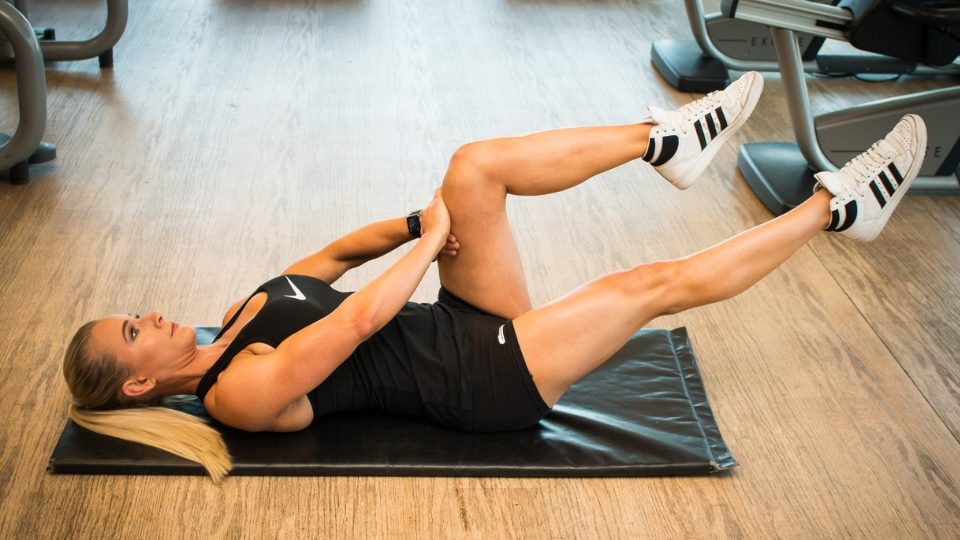
When acute back pain strikes, your immediate instinct is usually to find a stretch that offers relief. However, blindly twisting your torso or aggressively pulling your knees to your chest can pull on sensitive nerve paths or compress vulnerable spinal discs. Effective symptom management requires matching your specific structural discomfort with matching, safe mobility patterns.
In rehab training, we recognize that stretching during the acute phase isn’t about building flexibility—it is about restoring non-aggravated baseline movement and decompressing the spine. Whether you are dealing with localized joint stiffness or radiating pins and needles, a controlled approach can soothe symptoms without triggering protective muscle spasms.
This mobility framework represents Stage 1 of our comprehensive 3-Stage Guide to Back Rehabilitation. To safely progress out of the stretching phase and into stability, ensure you follow our step-by-step physical progression.
Decoding Your Discomfort: Nerve, Disc, or Joint?
Before moving your spine on an exercise mat, you must understand what your symptoms are communicating. Sarah’s methodology categorizes common back issues into three distinct structural problems:
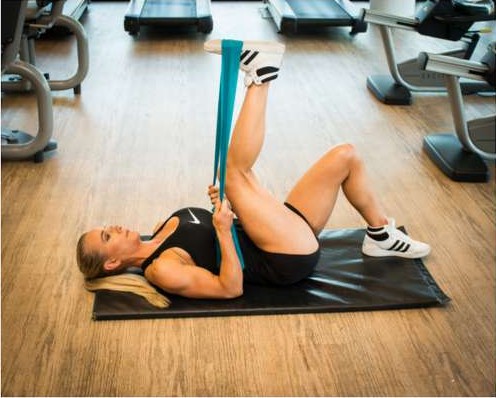
- Discogenic Pain: Pain originating directly from the intervertebral discs. This often feels like a deep, dull ache that intensifies when sitting, bending forward, or coughing.
- Nerve Pain: This occurs when a nerve root is pinched or irritated, presenting as sharp, shooting, or electric sensations, often accompanied by “pins and needles” radiating down into your glutes or legs.
- Facet-Joint Locking: Localized, sharp stiffness directly within the small joints of the spinal column, typically felt as a catching sensation when you try to arch backward or twist.
If your structural mechanics are out of alignment, certain exercises can place an unequal load on these structures. Controlled stretching is engineered to settle this localized inflammation first, setting the foundation for the core bracing techniques outlined in our guide on Activating Your Deep Core for Core Stability.
Stage 1 Mobility Protocols: Moving Safely Within the “Pain Rule”
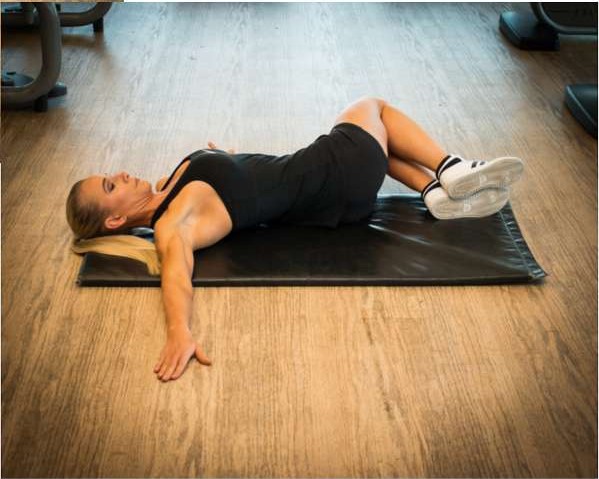
To decompress the lumbar spine without worsening nerve or disc pathways, mobility exercises must be executed with strict spinal tracking.
The Protocol Framework:
- The Core Requirement: Prior to initiating any mobility work, you must execute a light cardio warm-up for 10–15 minutes (such as easy walking) to increase tissue temperature to approximately 60–65% of your maximum heart rate. Never stretch cold, rigid tissues.
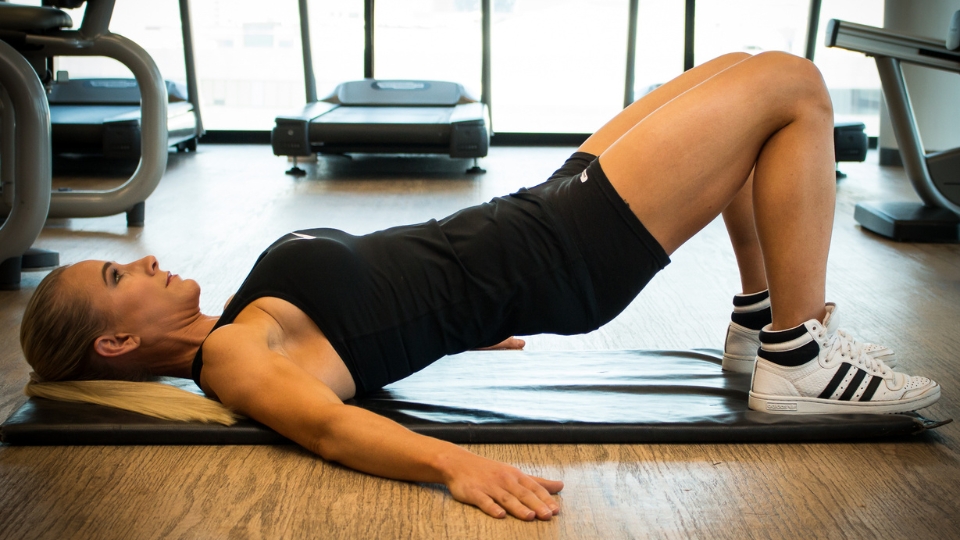
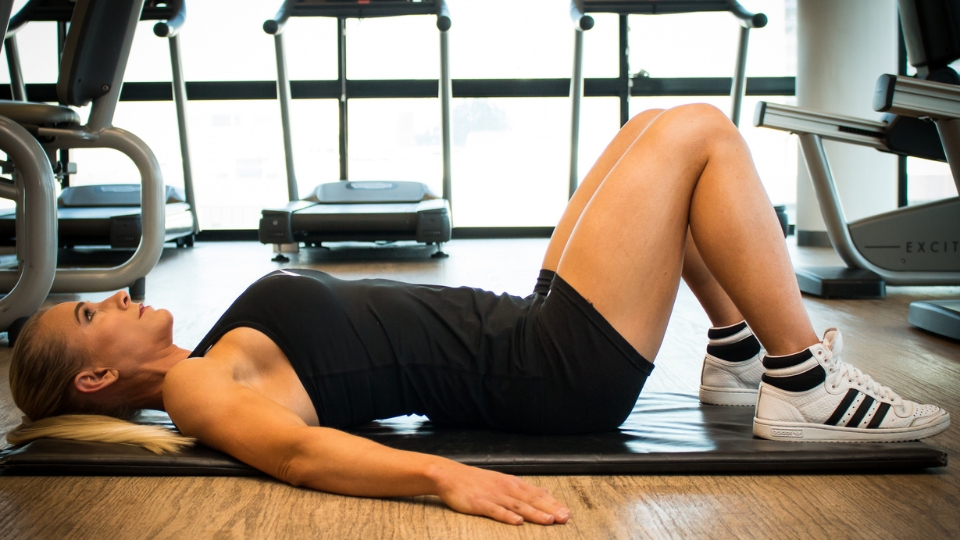
- Postural Awareness: Every movement should be performed with a clear mind-muscle connection. You must know exactly whether your pelvis is resting in a safe Neutral Spine or an Imprinted Spine alignment to prevent hyper-extension.
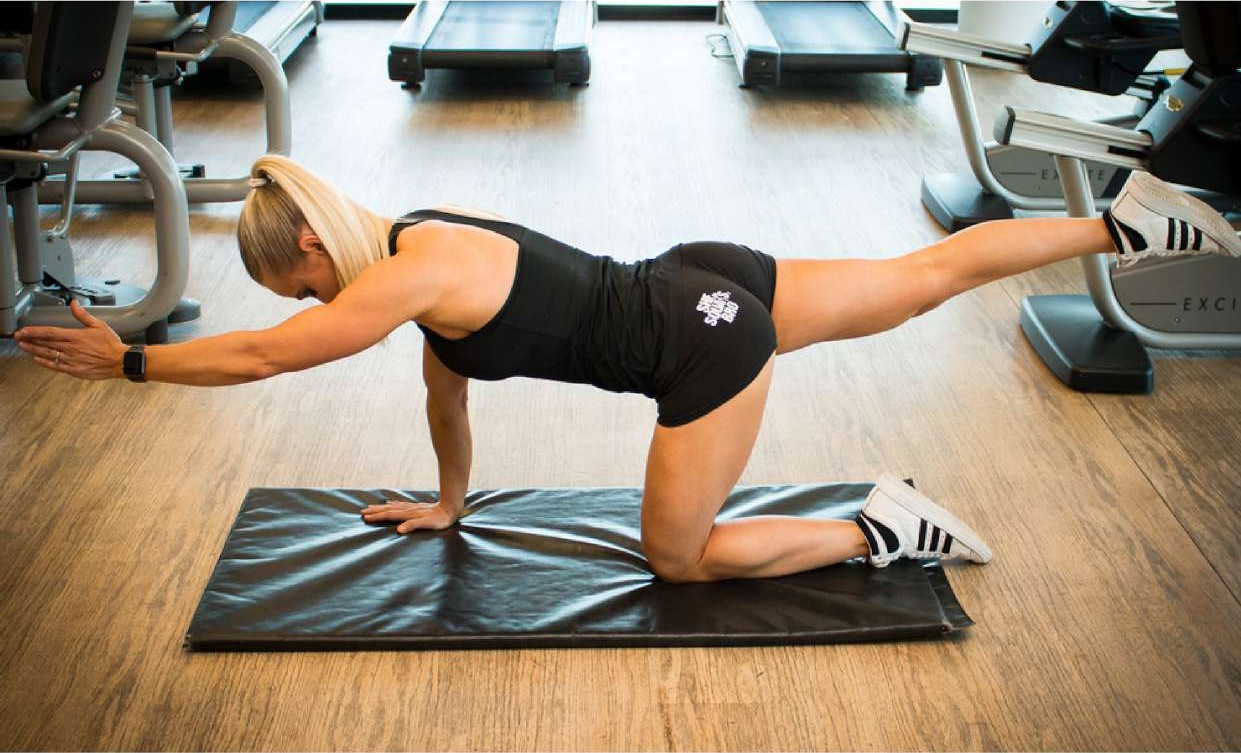
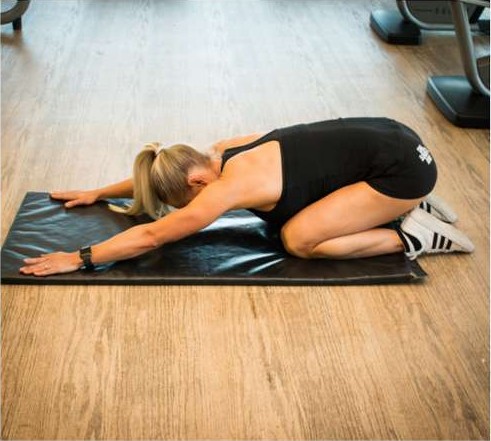
- Form Verification: Because these therapeutic angles are highly precise, Sarah strongly advises using a mirror or capturing smartphone photos/videos of your movements. Comparing your spinal profile against professional models ensures you are opening the joints rather than pinching them.
Why Stretching is Only the First Step
While gentle decompressive stretching is excellent for immediate symptom management, relying only on flexibility will not fix chronic issues. Stretching simply creates a temporary window of relief by settling local tissue guarding.
If you do not follow up mobility work with structural activation and functional strengthening, your global muscle weakness will eventually cause your spine to slip back into structural mal-alignment. True long-term relief requires progressing from Stage 1 (Mobility) up to Stage 2 (Activation) and Stage 3 (Strengthening).
Conclusion
Symptom management is the critical first milestone of back recovery. By prioritizing gentle, pain-free tracking over aggressive flexibility goals, you allow inflamed tissues to rest and heal.
Related reading: Try these 6 gentle lower back stretches, and learn how to use foam rolling for lower back pain safely as part of Stage 1.
Ready to work through your back stiffness step by step? Symptom management is just the beginning. Download our comprehensive, professional guide to access the full Stage 1 safe-stretching protocol. The manual features over 30 targeted exercises with precise photographic instructions and an integrated difficulty rating system designed by Sarah from over 17 years of coaching experience to guide you smoothly from basic mobility to long-term spinal strength.
Disclaimer
Please ensure that prior to starting any of these exercises you obtain a correct diagnosis from a health professional if you are currently carrying an injury, and that you remain under the advisement of your health professional.