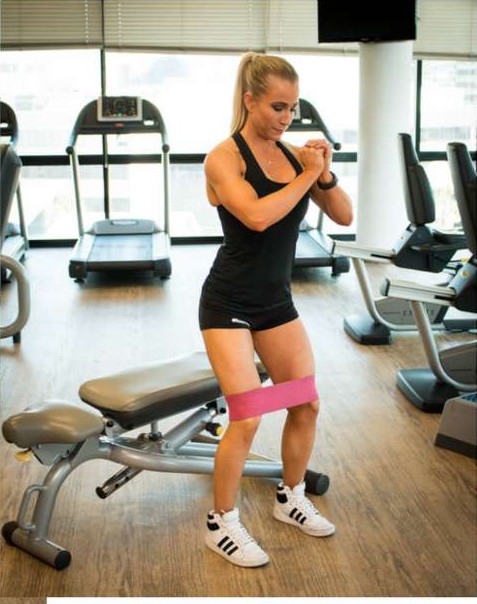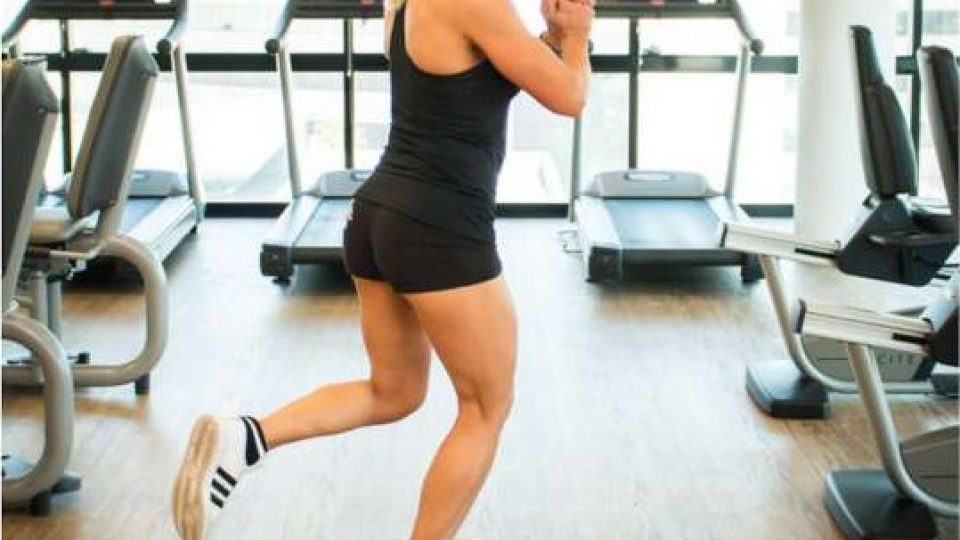
“Runner’s knee” is the everyday name for pain around or behind the kneecap that flares up with running, especially downhill, and often with stairs, squatting or sitting for a long time. It’s one of the most common running niggles, and it usually has less to do with the knee itself than with how well the muscles around it control each stride.
In this post you’ll learn why runner’s knee tends to happen, and four strength and balance exercises from my 3-stage knee rehabilitation guide that help runners build more control.
Why Runner’s Knee Happens
Every running stride is a single-leg landing. If the quads, glutes and hip stabilisers can’t control that landing, the knee may drift inwards and more load goes through the kneecap area. Common contributors include:
- Increasing mileage, speed or hills too quickly
- Weak or poorly activated quads and glutes
- Limited single-leg balance and control
- Tight quads and hamstrings
Pain around the kneecap can have several causes, so get a proper diagnosis from a health professional, especially if your knee is swollen or the pain is sharp or getting worse.
4 Exercises for Runner’s Knee
1. Stalk Stand
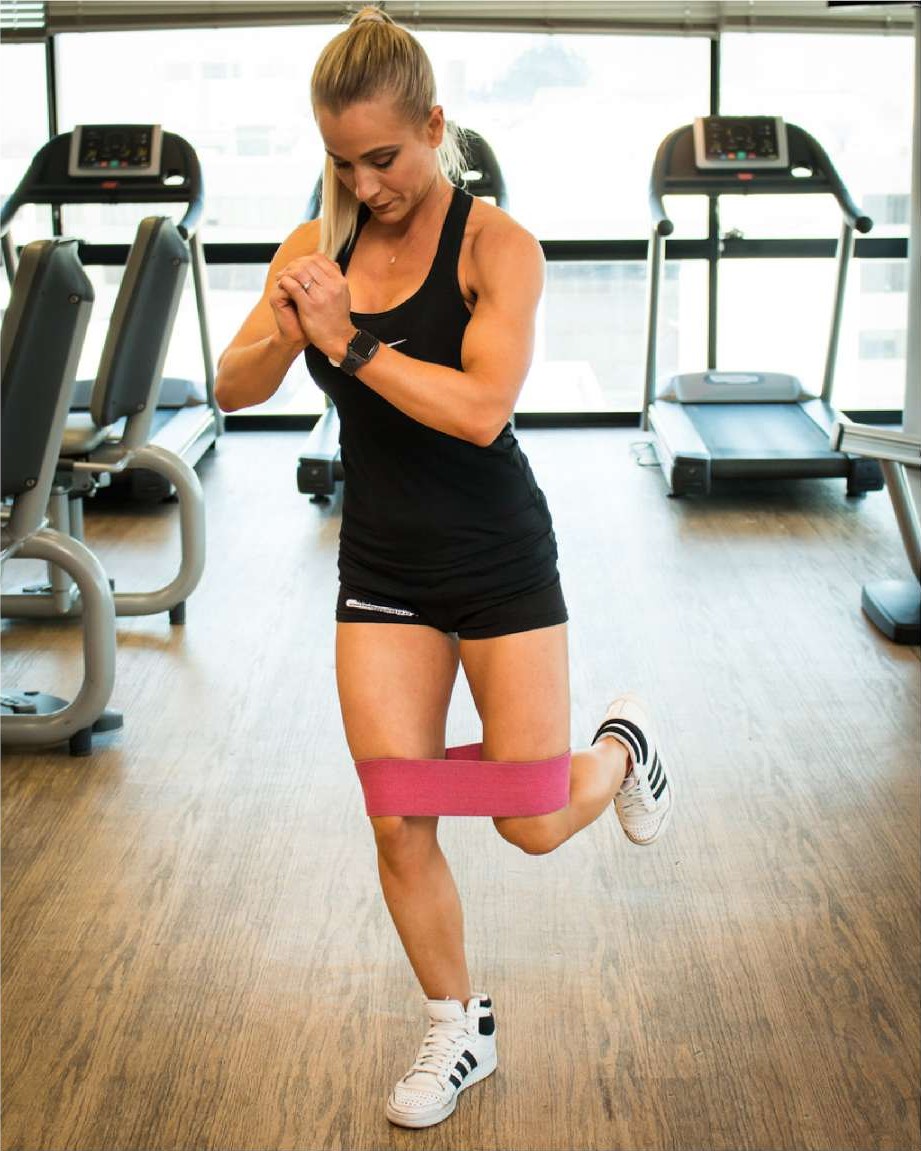
With a band just above your knees, stand on one leg with the standing knee slightly bent and keep light outward tension on the band. Hold your balance with the knee in line with your toes. This is the starting point for controlling a single-leg landing.
2. Bosu Ball Balance
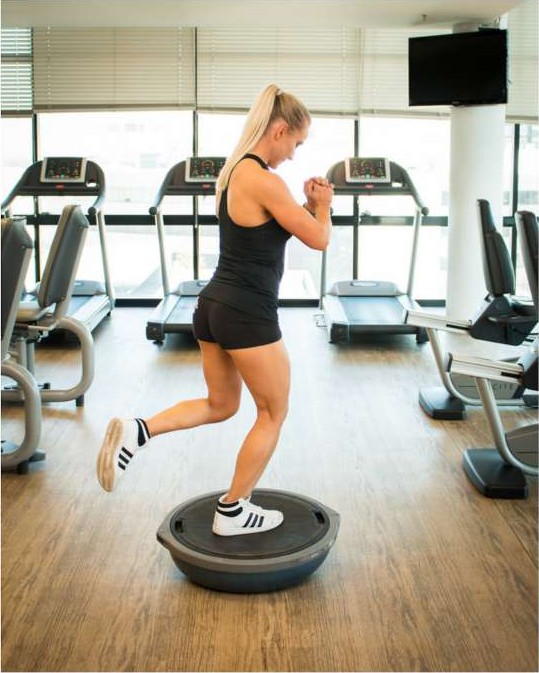
Once the stalk stand is easy, progress to balancing on one leg on a bosu ball with the soft side down and the knee slightly bent. Use support to get on and off. The unstable surface trains the quick muscle reactions your knee needs on uneven ground.
3. Lateral Step
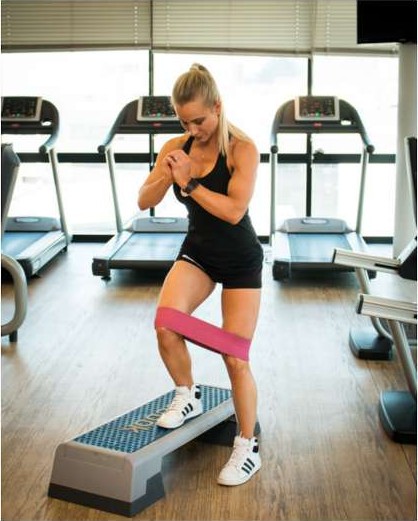
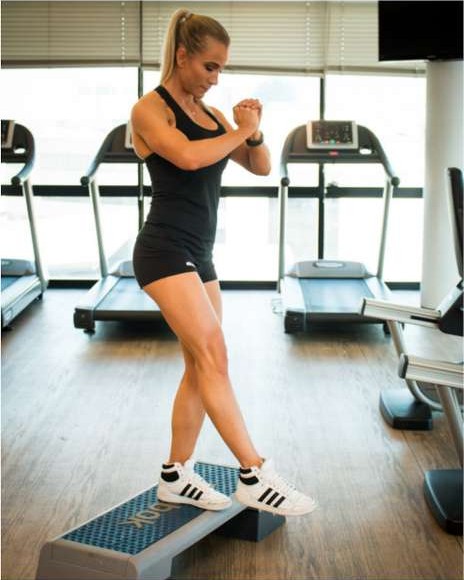
Stand side-on to a low step with a band around your knees. Step sideways up and slowly back down, keeping the supporting knee bent and pushing gently out against the band. It strengthens the quads and hip stabilisers together.
4. Single Leg Bridge
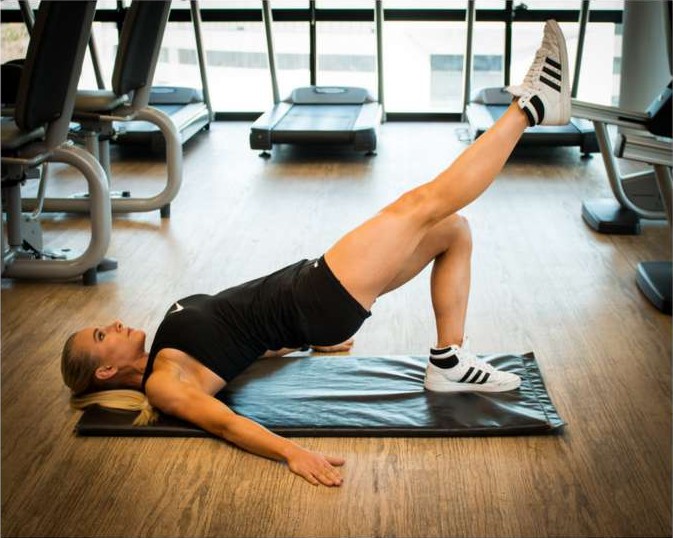
Lie on your back, lift into a bridge, then straighten one leg in line with the other knee and hold without letting the hips drop. Runners often have strong quads but under-used glutes and hamstrings, and this exercise helps balance that out.
Getting Back to Running
Most runners don’t have to stop moving completely, but you may need to reduce your distance, speed and hills for a while and build back gradually as the pain settles. Pain that gets worse during a run, or is worse the next morning, is a sign to ease back. Mix your running with the exercises above two or three times a week. The full guide includes the progressions, reps and workout plans to build up to.
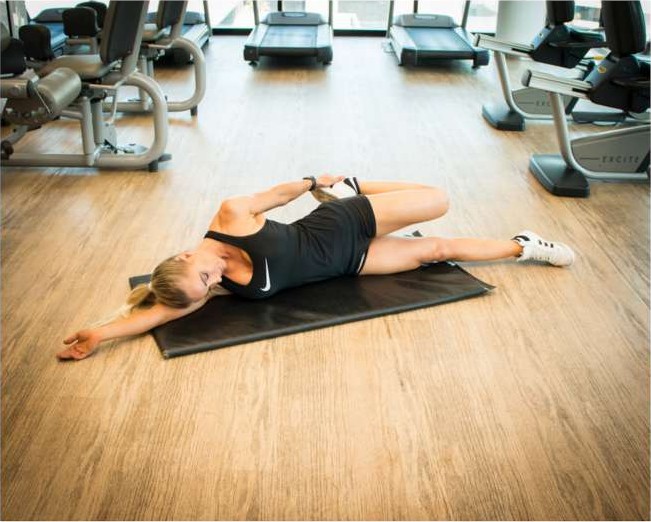
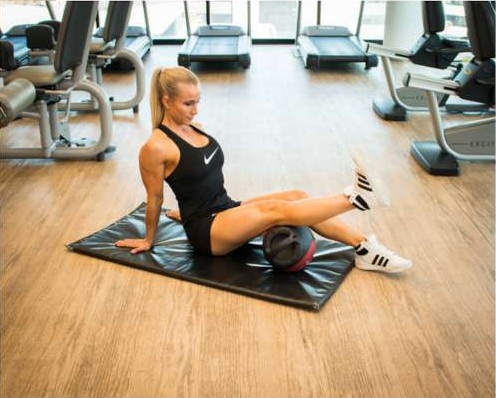
Strong glutes are a big part of knee control for runners. See weak glutes: signs and a simple test and these gluteus medius exercises. Tight quads too? Try these knee stretches and foam rolling for the quads.
Want a structured plan? The Knee Rehabilitation guide includes balance, activation and strengthening exercises rated beginner to advanced, with photos and three ready-made workouts.
Disclaimer
Please make sure you get a correct diagnosis from a health professional before starting any of these exercises if you are currently carrying an injury, and stay under their advice throughout your rehab.