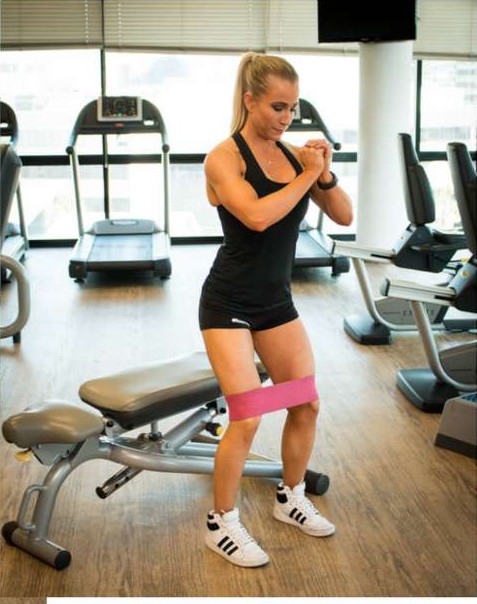
After a knee injury, or during a long spell of knee pain, the quads, and especially the inner part of the quad just above the kneecap, often switch off. Your leg can still move, but the muscle that should support and steer the kneecap isn’t contributing as it should. That’s why so many knee rehab programmes start by waking the quads up before loading them.
These gentle activation exercises are Stage 2 of my 3-stage knee rehabilitation guide. They’re low-intensity and controlled, so they’re a safe place to start for most people.
Why Activation Comes Before Strength
If you jump straight to squats and lunges with switched-off quads, other muscles and the knee joint itself take the load. Activation exercises teach the right muscles to contract on demand, so that when you do start strengthening, the work goes where it should. The aim is control, not exhaustion.
3 Quad Activation Exercises
1. Terminal Knee Extension
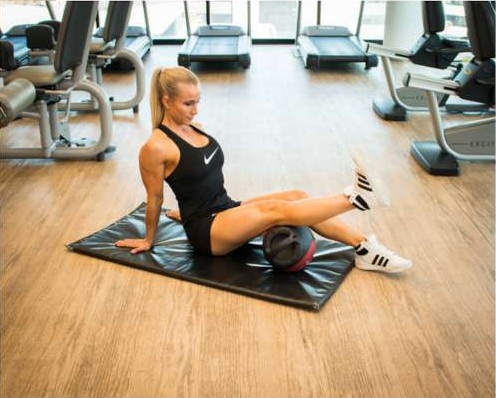
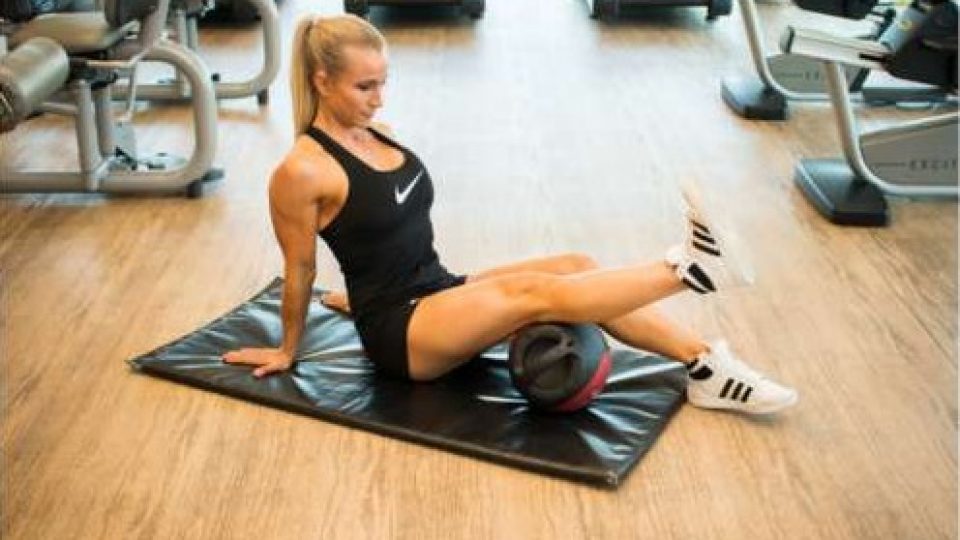
Sit on a mat with one knee resting over a medium-sized ball, the other leg bent and your arms supporting you behind. Flex the foot, then straighten the leg over the ball, tightening the thigh as hard as you can and pressing the back of the leg down into the ball. Think about drawing your kneecap up towards you. Lower slowly.
2. Straight Leg Raise
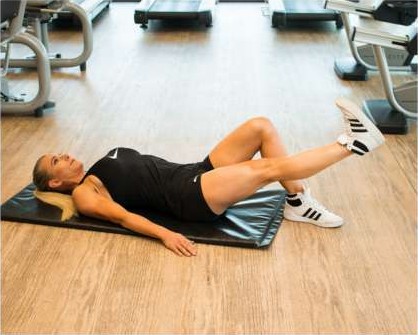
Lie on your back with one knee bent and the other leg straight. Tighten the thigh of the straight leg, then lift it until it is level with the opposite knee. Pause and lower slowly without letting the knee bend. Keep your lower back relaxed on the mat.
3. Stalk Stand
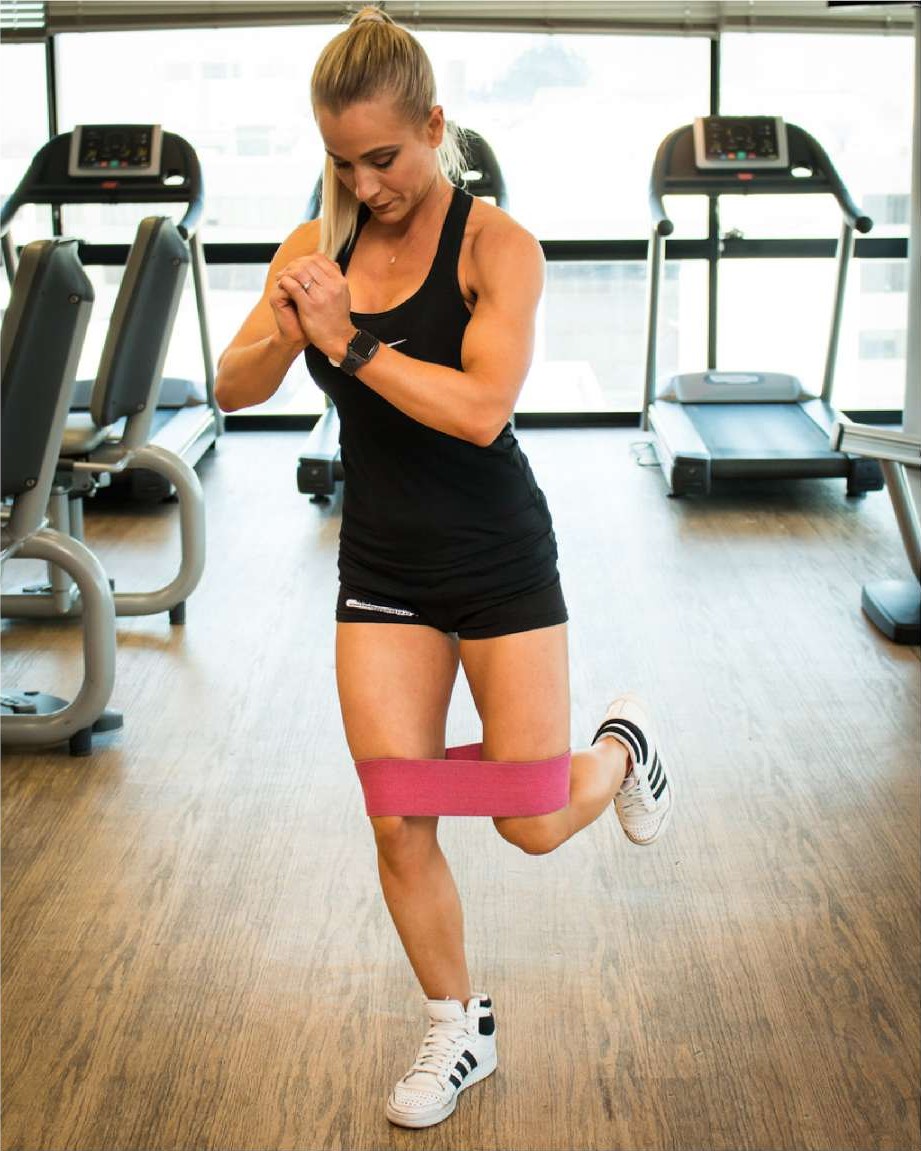
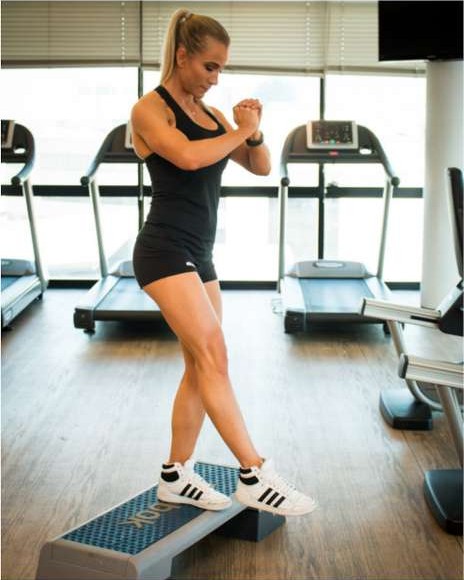
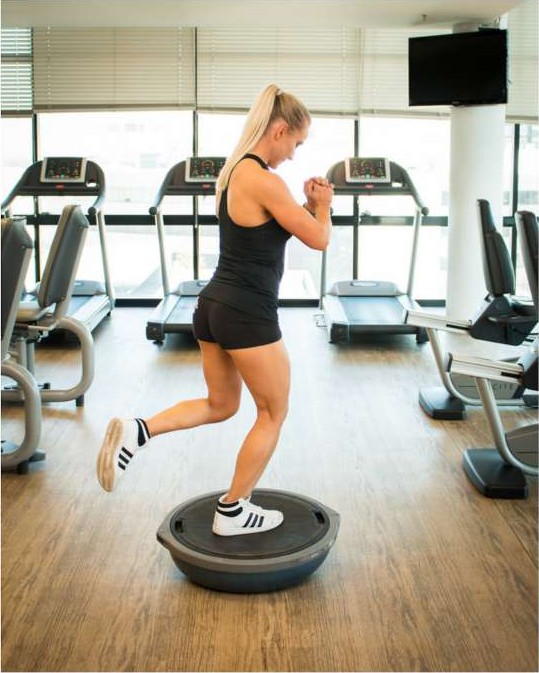
With a band just above your knees, stand on one leg with the standing knee slightly bent. Keep light tension on the band and hold your balance, keeping the knee in line with your toes. It trains the quads and the hip muscles to control the knee together.
How to Know They’re Working
You should feel the front of the thigh working, not the knee joint. If you feel pain inside the knee, reduce the range or skip that exercise for now. The full guide includes the reps, holds and progressions for each exercise, along with more advanced activation work such as balance training.
Weak glutes often let the knee cave inwards too, so it’s worth checking whether you have weak glutes.
Next: Build Strength
Once your quads switch on reliably, move on to knee strengthening exercises at home. If your knee is stiff, loosen up first with these knee stretches.
Get the full programme: the Knee Rehabilitation guide takes you from stretching and activation through to strength, with photos, difficulty ratings and beginner, intermediate and advanced workouts.
Disclaimer
Please make sure you get a correct diagnosis from a health professional before starting any of these exercises if you are currently carrying an injury, and stay under their advice throughout your rehab.