The sacroiliac (SI) joints connect the base of your spine to your pelvis, one on each side, roughly where the two “dimples” sit on your lower back. They’re built for stability rather than big movements, and when the muscles around them aren’t supporting them well, the area can become painful, often on one side of the lower back or buttock.
This post covers why stability matters for SI joint pain, four gentle exercises that are commonly used to support the pelvis, and what to avoid. The exercises come from my glute, hip and SI joint rehabilitation guide.
Get a Diagnosis First
SI joint pain can feel very similar to lower back, disc or hip problems, and the right exercises depend on the cause. Please see a health professional for a proper assessment before starting, and check with your healthcare provider first if you are pregnant or have recently given birth, as the pelvis changes a lot during this time.
Why Stability Matters for the SI Joint
Because the SI joint relies on the muscles and ligaments around it for support, the aim of rehab is usually to make those muscles work well together, especially the deep core, the glutes and the muscles that keep your pelvis level on one leg. That’s why SI joint exercises tend to be slow, controlled and symmetrical rather than stretchy or explosive.
4 Gentle Stability Exercises
1. Bent Knee Fall Out
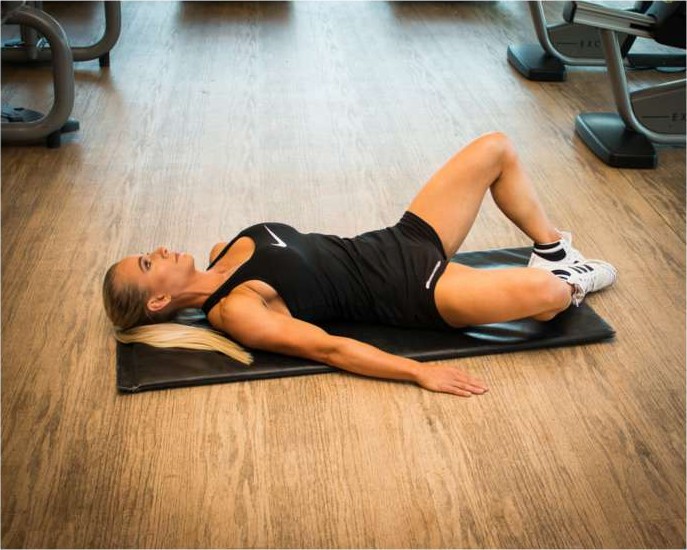
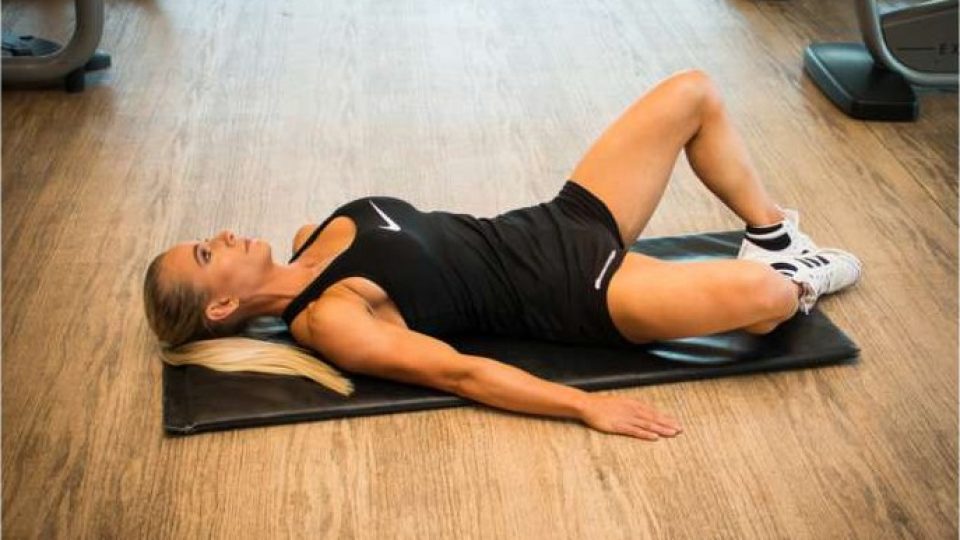
Lie on your back with knees bent and your hands on your hips. Slowly lower one knee out to the side while keeping the other knee still and your pelvis flat and level on the mat. Only go as far as you can without the pelvis rocking.
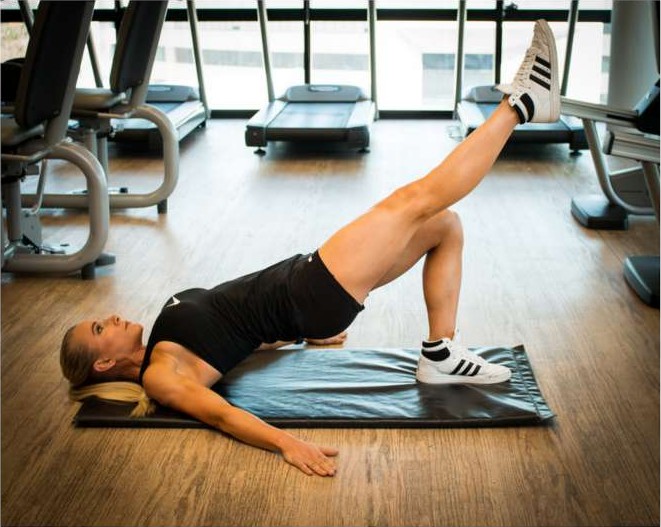
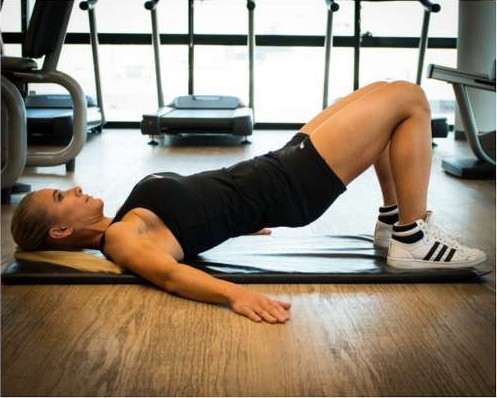
2. Glute Bridge
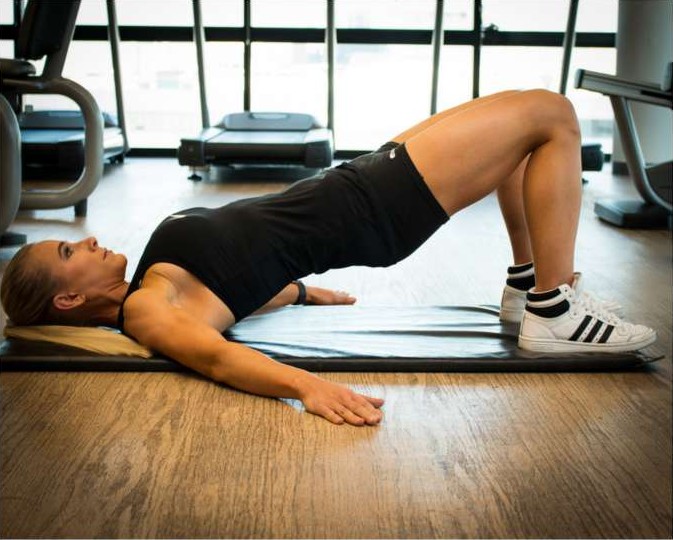
From a neutral spine, draw your belly button in and lift your hips until your knees, hips and shoulders are in line. Keep your weight evenly through both heels. Two-leg bridges load both SI joints evenly, which is usually more comfortable than single-leg work early on.
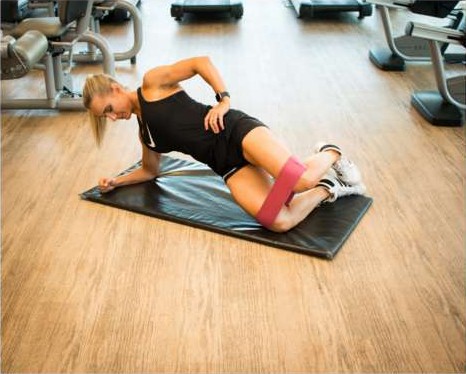
3. Clam
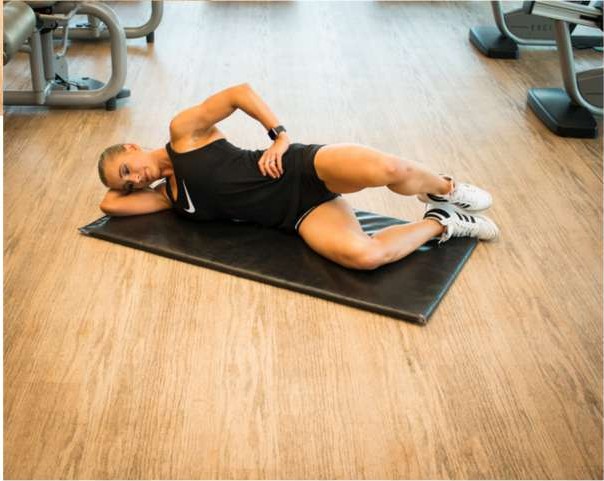
Lie on your side with knees bent and feet together. Slowly lift the top knee without rolling your hips backwards, then lower with control. Keep the movement small and smooth.
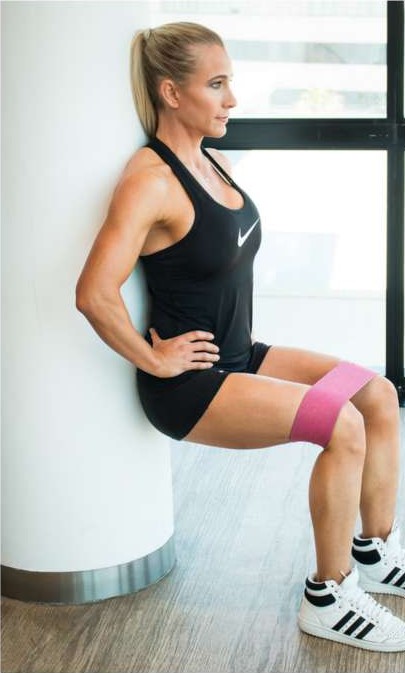
4. Wall Squat
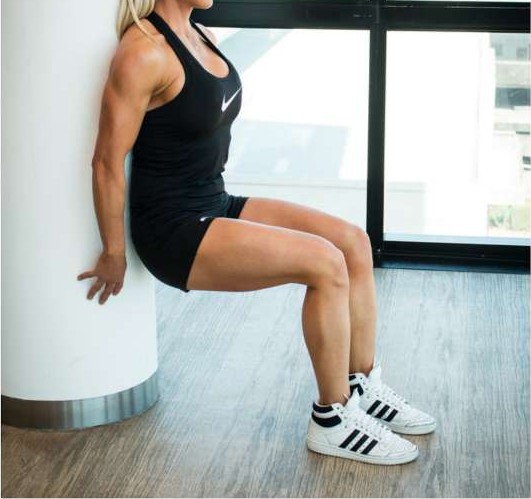
Lean your back against a wall and slide down until your knees are bent, keeping your weight in your heels and your whole back connected to the wall. Only go as low as is comfortable and hold. The wall supports your spine and pelvis while the legs and glutes work.
What to Avoid With SI Joint Pain
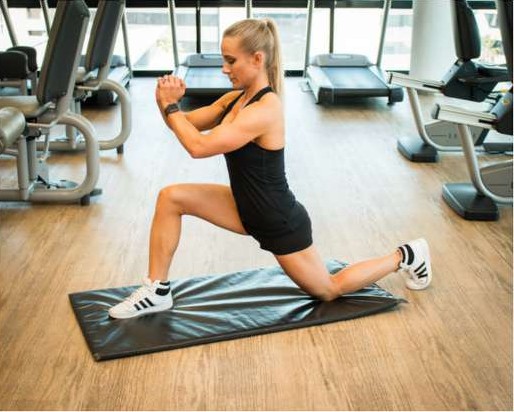
- Movements that twist or load one side of the pelvis heavily, such as big lunges or single-leg jumping, until your pain has settled
- Deep, forceful stretches that pull on the pelvis or glutes
- Pushing through sharp or catching pain in the SI area
- Long periods in one position; gentle movement breaks usually help
Where This Fits in Your Rehab
These exercises are a starting point. As your pelvis becomes more stable, rehab usually moves on to single-leg and more challenging strengthening work. You’ll find more in glute activation exercises and gluteus medius exercises at home. The deep core also plays a big role in supporting the pelvis; see how to activate your deep core.
Want a structured plan? The Glute, Hip & SI Joint Rehab guide includes stretching, activation and strengthening exercises for the hips and pelvis, rated beginner to advanced, with photos and three workout plans.
Disclaimer
Please make sure you get a correct diagnosis from a health professional before starting any of these exercises if you are currently carrying an injury, and stay under their advice throughout your rehab.