The gluteus medius is the muscle on the side of your hip. You don’t see it much in the mirror, but it does a big job: it keeps your pelvis level every time you stand on one leg, which means every step you walk, run or climb. When it’s weak, the pelvis drops, the knee collapses inwards and the lower back picks up the slack.
These four exercises are a sample from Stage 3 (strengthening) of my 3-stage glute and hip rehabilitation guide. All you need is a mat, a mini resistance band and a step.
Signs Your Gluteus Medius Needs Work
- Your hips drop or sway to the side when you walk or run
- Your knee caves inwards when you squat, lunge or step down
- Pain on the outside of the hip, or recurring knee or lower back niggles
- Standing on one leg feels much wobblier on one side
Not sure? Try the simple test in weak glutes: signs and a simple test.
4 Gluteus Medius Exercises With a Band
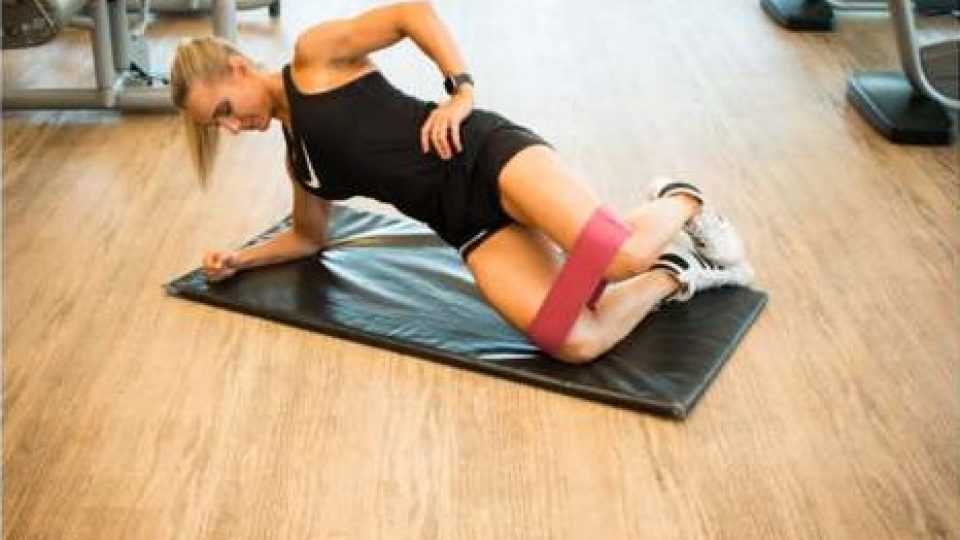
1. Clam With a Band
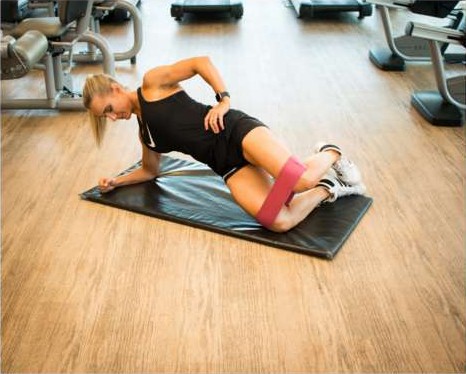
Lie on your side with knees bent, a band just above the knees and your head resting on your arm. Keeping your feet together, slowly lift the top knee away from the bottom knee without rolling your hips or body backwards, then lower with control. Start without a band if this is new to you.
2. Glute Thruster With a Band
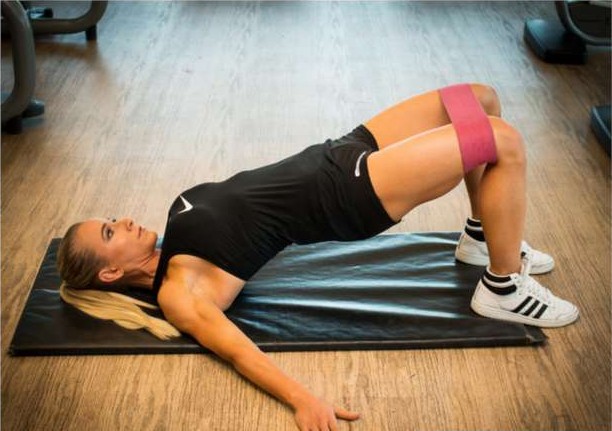
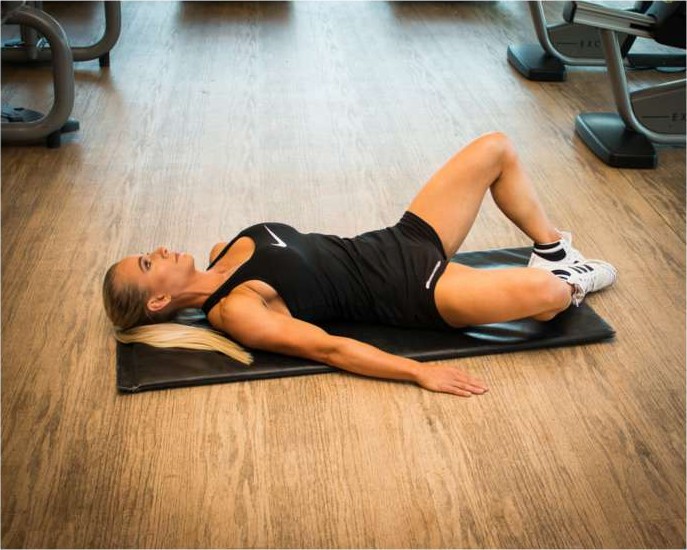
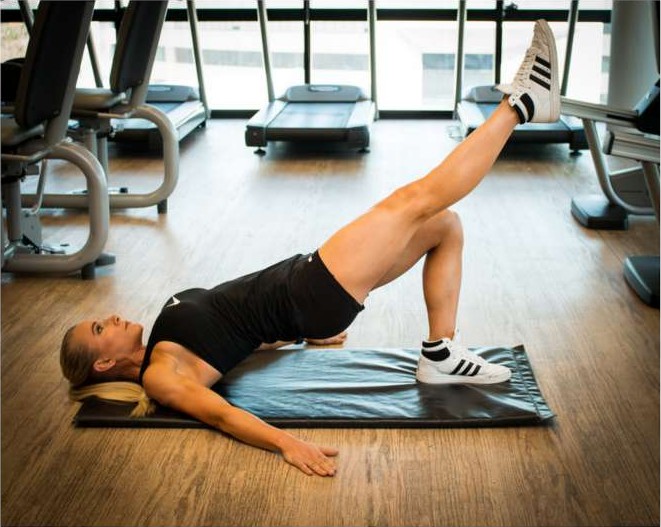
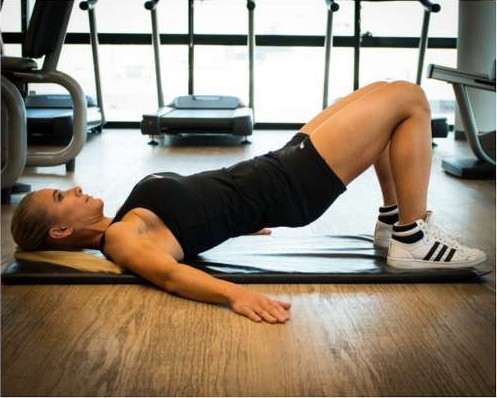
Lie on your back with knees bent and a band just above the knees. Engage your core, then lift your hips off the floor, pushing through your heels and pressing your knees outwards against the band at the same time. Pause at the top and lower slowly. Don’t let the knees cave in.
3. Standing Resisted Abduction
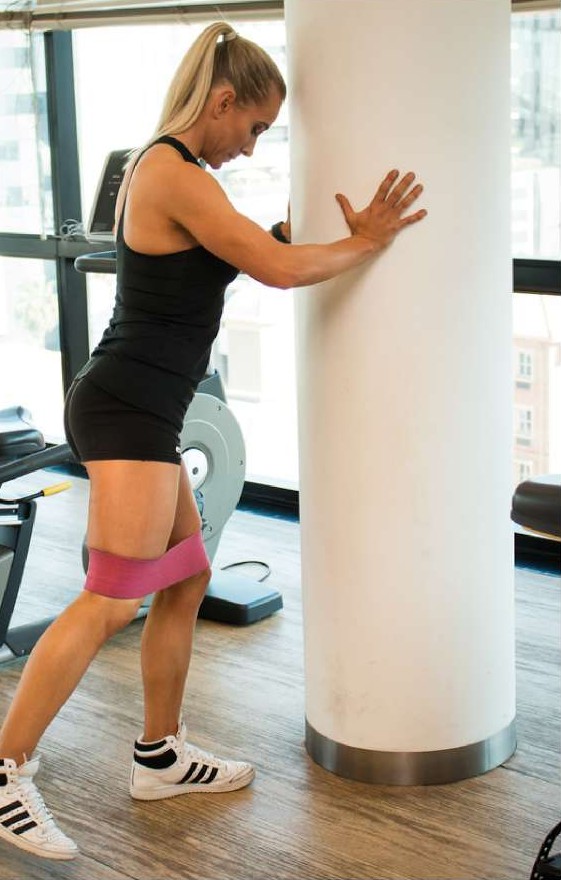
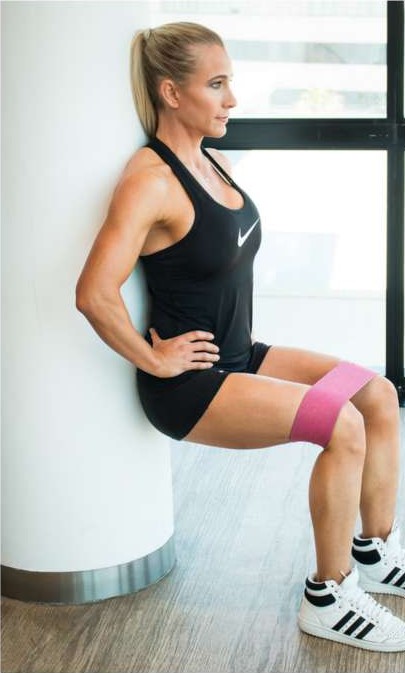
Stand holding onto something secure with a band around your knees and the supporting knee slightly bent. Slowly take the other leg backwards and outwards at about 45 degrees, pause, and return. The key is keeping your body upright; if you lean, the band is too strong.
4. Lateral Step Up
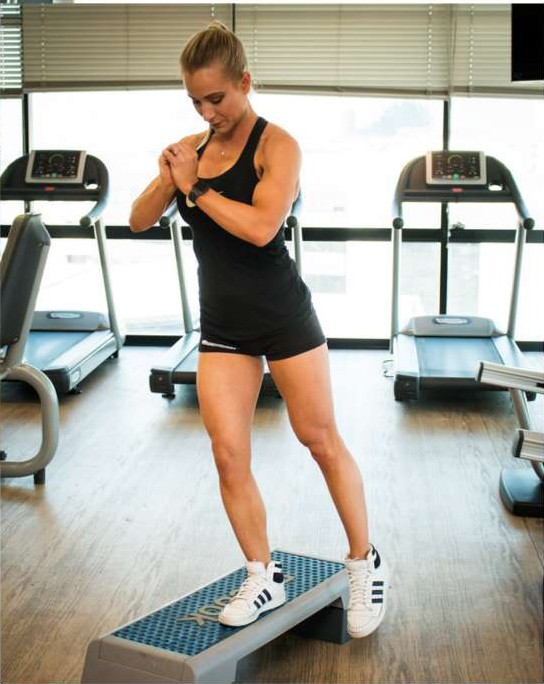
Stand side-on to a low step with one foot on it. Step sideways up onto the step, pushing through the heel of the top leg and keeping that knee slightly bent and in line with your toes. Step back down slowly. Adding a band around the knees makes it harder.
How to Progress Safely
Start with the easier versions and focus on slow, controlled reps with no pain. Once an exercise feels easy with perfect form, you can progress with a stronger band, a single leg, a higher step or extra resistance. The full guide rates every exercise from 1 (beginner) to 3 (advanced), with the sets, reps and progressions for each level.
Weak side glutes are closely linked with lower back pain too; see the 3-stage back rehabilitation guide. Before strengthening, make sure your glutes switch on properly with these glute activation exercises.
Knee caving in? The gluteus medius works with the quads to control the knee. See runner’s knee exercises and knee pain going down stairs in the knee rehabilitation guide.
Want the complete programme? The Glute, Hip & SI Joint Rehab guide includes over 25 stretching, activation and strengthening exercises with photos, difficulty ratings and three ready-made workouts.
Disclaimer
Please make sure you get a correct diagnosis from a health professional before starting any of these exercises if you are currently carrying an injury, and stay under their advice throughout your rehab.