A stiff, achy lower back usually isn’t a stretching problem alone. It’s a sign that the joints and muscles around your spine have stopped moving the way they should. As a fitness coach with over 17 years of experience, much of it helping clients recover from injury, I start almost every back client with gentle mobility work: it warms the tissues up, restores range of motion and calms things down before we ask the back to work harder.
Below are six of the lower back stretches I use most. They come from Stage 1 of my 3-stage back rehabilitation guide, and they’re safe for most people with general lower back stiffness. If your pain is sharp, shoots down your leg or feels nervy, read stretching for nerve and disc-related back pain first.
Before You Start: 3 Quick Rules
- Pain-free range only. A stretch should feel like a gentle pull, never sharp or pinching pain. If it hurts, make the movement smaller.
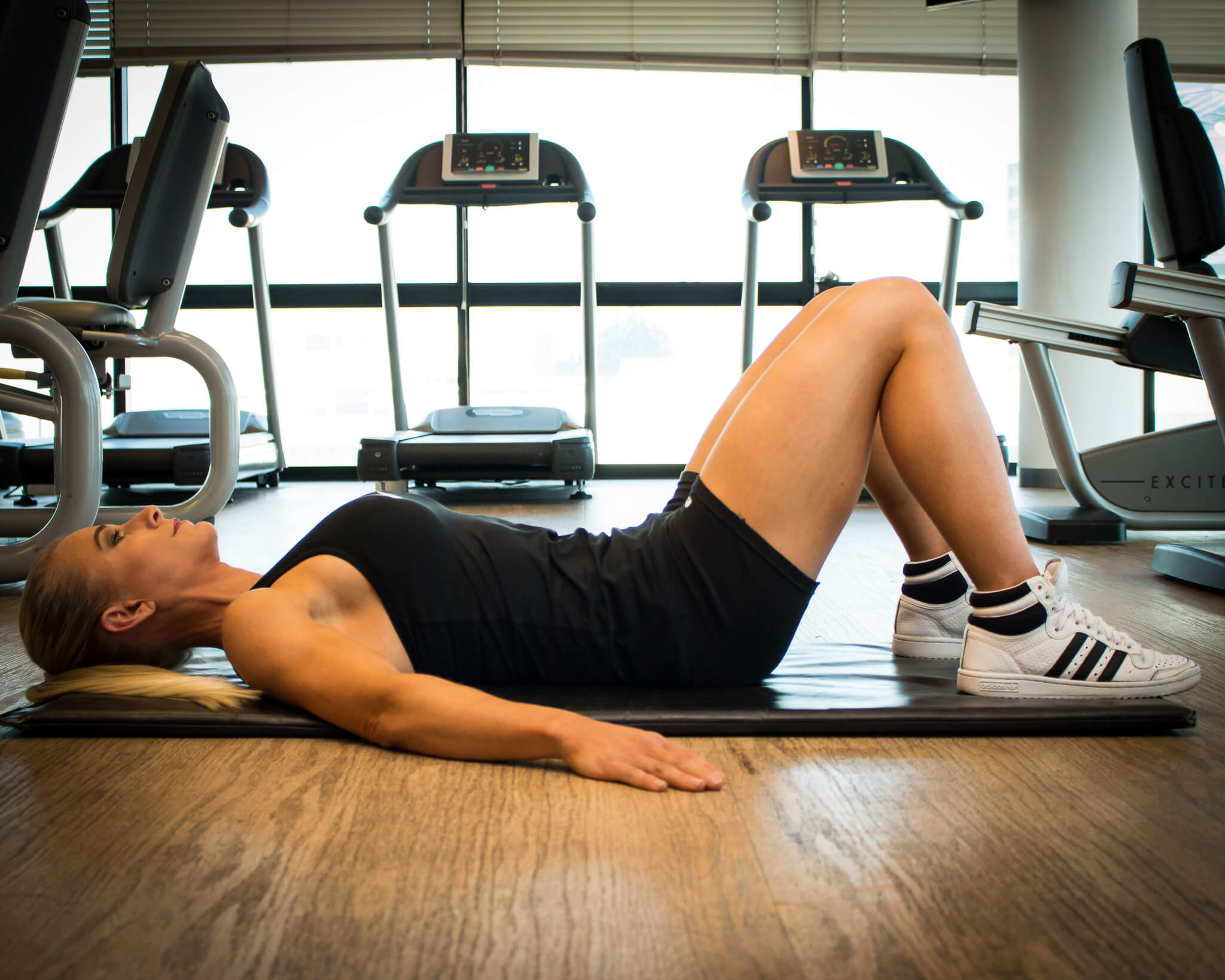
- Know your spine position. Most of these start in a neutral spine. If you’re not sure what that means, read neutral vs imprinted spine. It takes two minutes and makes every exercise safer.
- Breathe out as you move. Inhale to prepare, exhale into the stretch. Holding your breath tenses the very muscles you’re trying to release.
6 Lower Back Stretches for Pain and Stiffness
1. Knees Side to Side
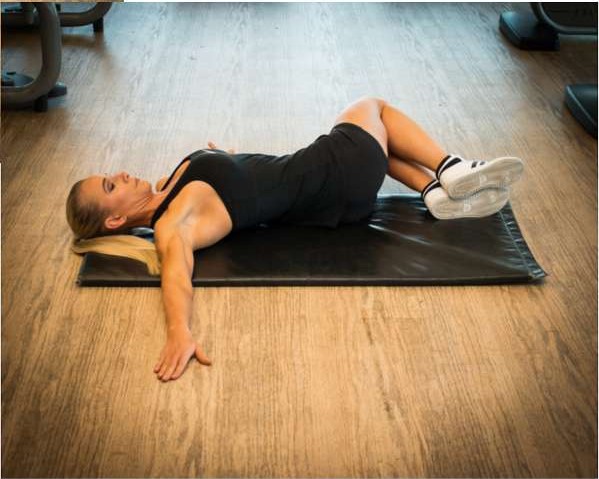
Lie on your back with your knees bent together and feet on the floor, arms out to the sides. Exhale and slowly lower both knees to one side, keeping the opposite shoulder on the mat, then bring them back through the centre and over to the other side. Think of it as a passive movement: your core does the work of returning the knees, not momentum.
2. Cross Over Stretch
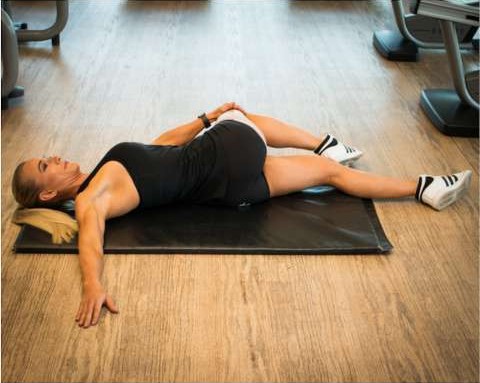
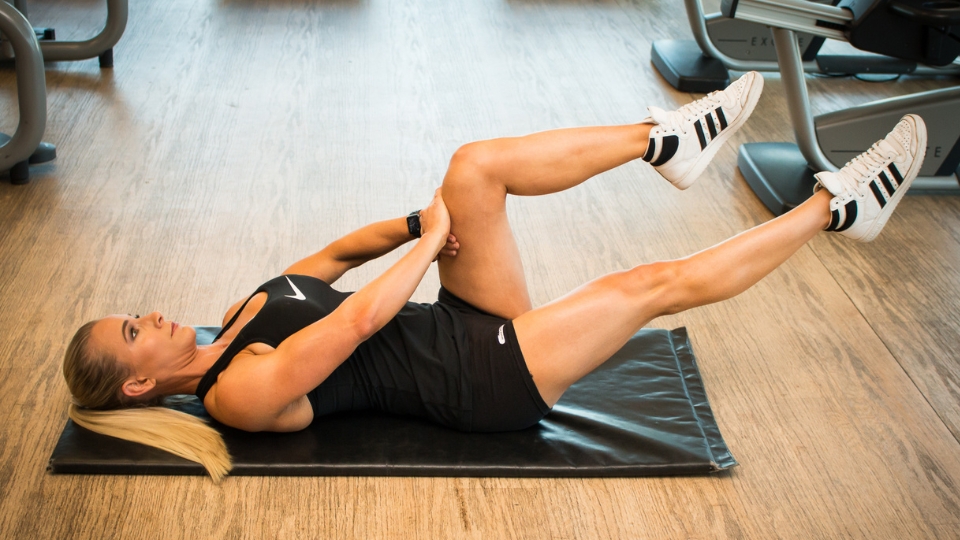
Lying on your back with one knee bent and the other leg straight, take the bent knee across your body with the opposite hand while the other arm stays out to the side. Keep your head relaxed on the mat and breathe into the stretch. You should feel it through your lower back and the outside of your hip.
3. Prayer Stretch
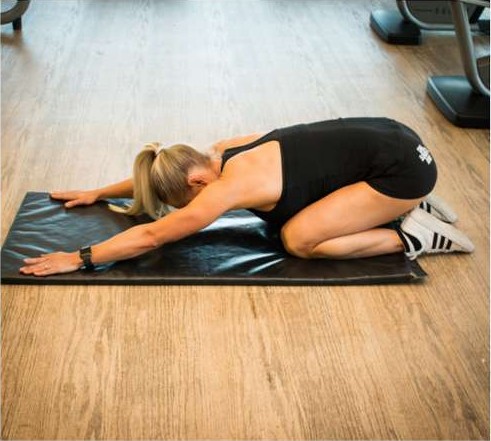
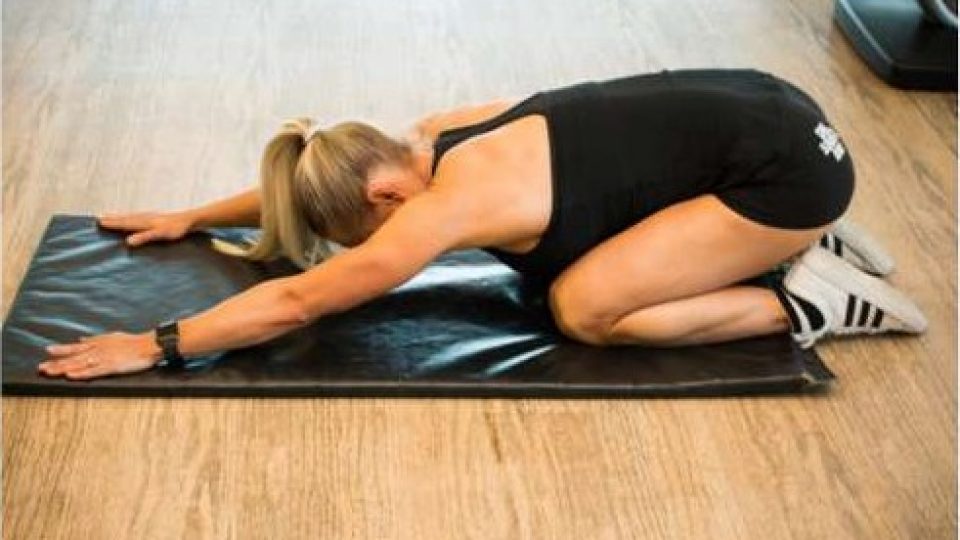
Start sitting back on your heels, knees apart. Walk your hands forward on the floor as far as you comfortably can, letting your chest sink towards the mat while your hips stay anchored back. Hold, breathe, and walk your hands back in to sit up.
4. Prayer Stretch with Cross Over
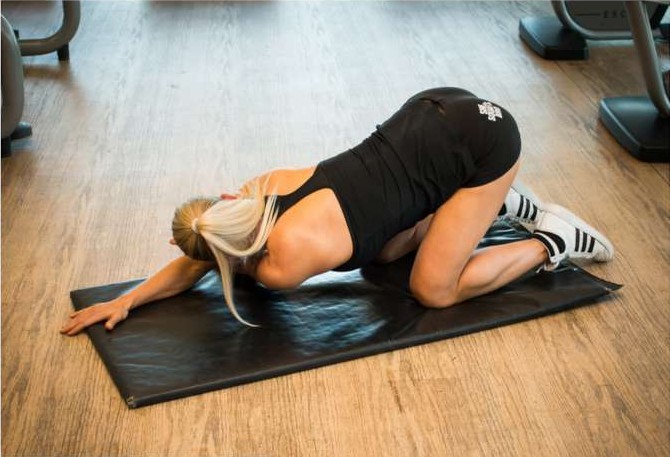
From the prayer stretch, walk both hands over to one side. You’ll feel the stretch shift into the side of your back and waist. Don’t push too hard through your hands: the aim is length, not strain on your shoulders.
5. Cat and Cow Stretch
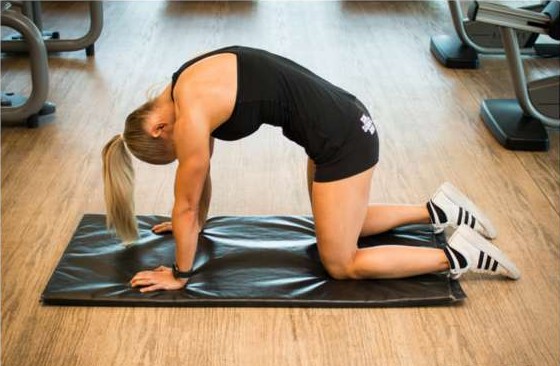
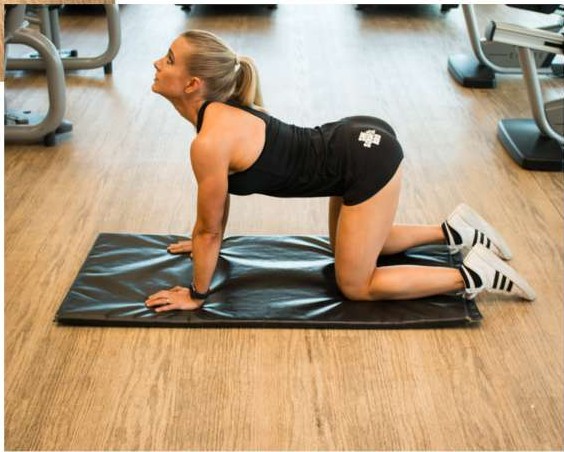
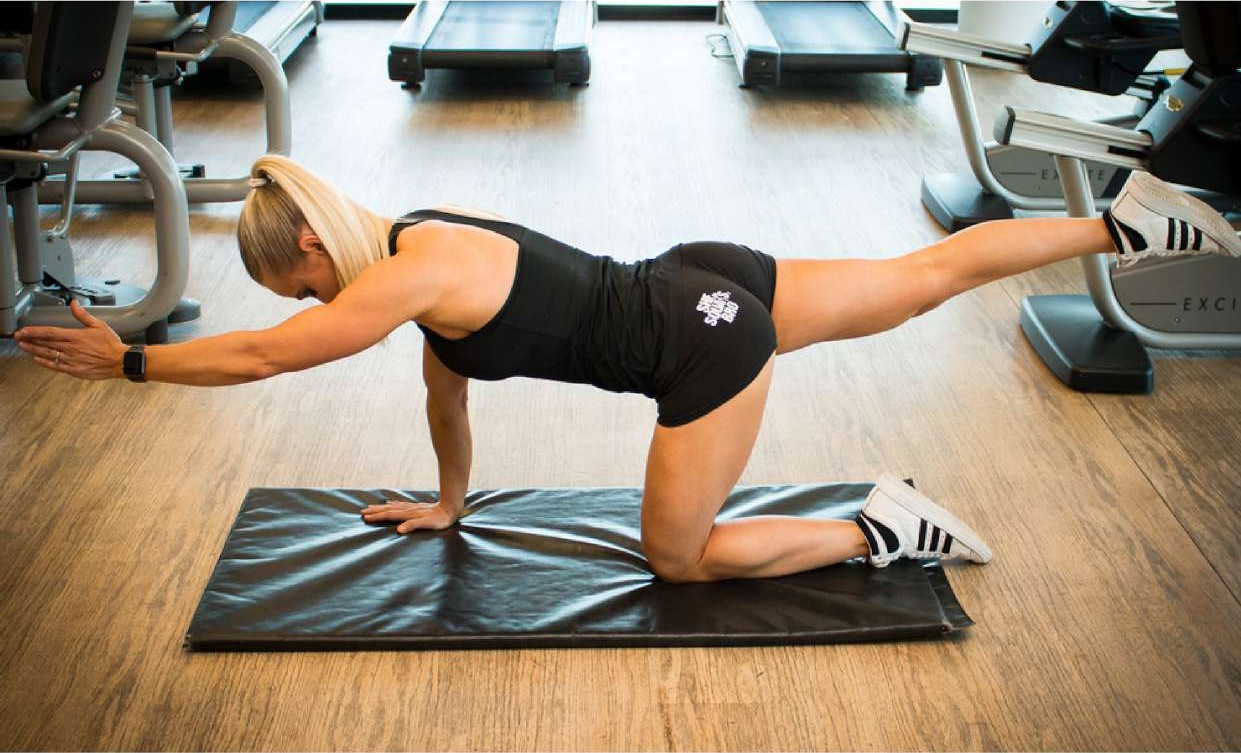
On all fours with hands under shoulders and knees under hips, exhale and round your back towards the ceiling like a cat, tucking your chin and tailbone. Inhale and slowly let the belly lower and the chest lift into a gentle arch. Move one vertebra at a time and only through a range that feels comfortable.
6. Roll-Up Bridge
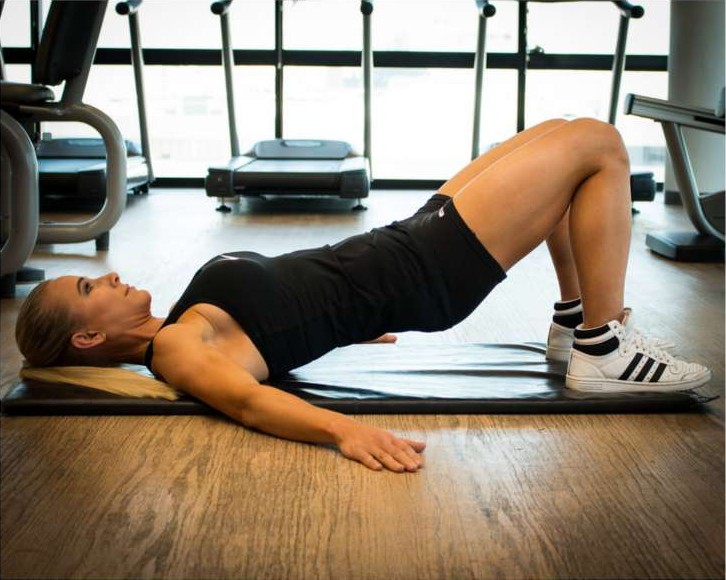
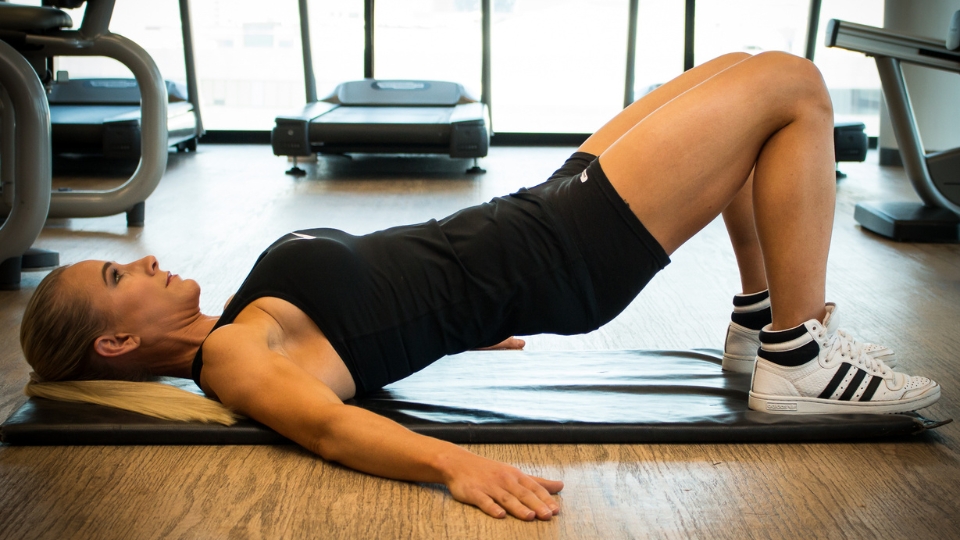
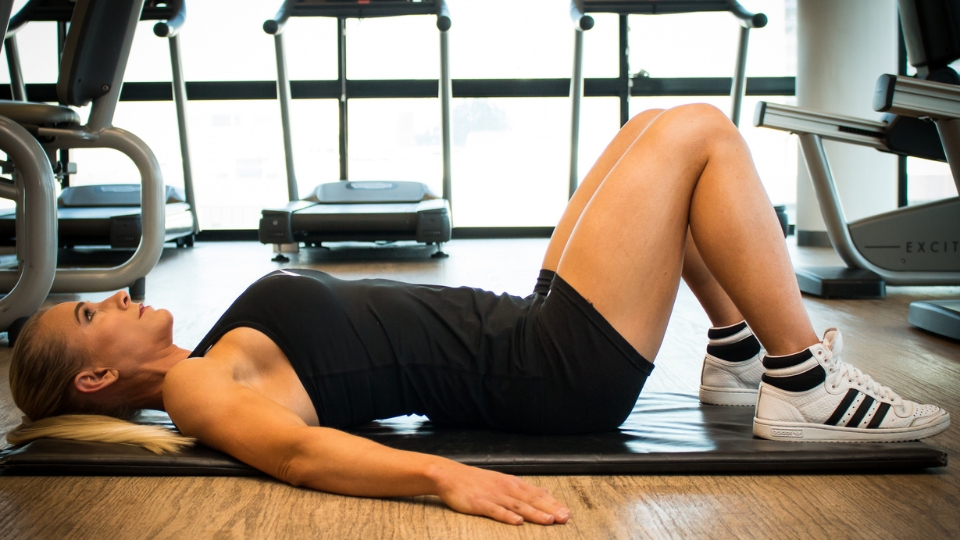
Lie on your back in neutral spine with knees bent. Exhale, flatten your lower back into the mat, then peel your spine up one segment at a time until your hips, knees and shoulders form a straight line. Roll back down slowly, upper back first and tailbone last. This is as much about control as it is about mobility.
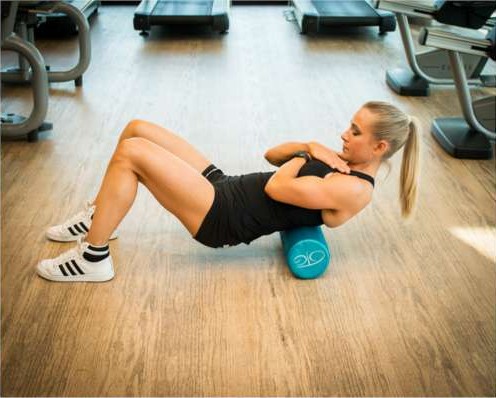
Tip: if your back is very tight, a few minutes of foam rolling for lower back pain before these stretches can help the muscles relax first.
How Often Should You Stretch Your Lower Back?
For most people with general stiffness, a short mobility session most days works better than one long session a week. Use these stretches as a warm-up before exercise, or on their own as maintenance on days your back feels tight. How many repetitions and sets you do, and when to progress, depends on where you are in your recovery. That’s exactly what the difficulty ratings in the full guide are for.
Stretching Is Only Stage 1
Stretching makes your back feel better, but it doesn’t make it stronger. If your pain keeps coming back, the missing link is usually a deep core that has switched off. That’s Stage 2, which you can start with how to activate your deep core. After that comes functional strengthening at home. New to rehab? Read the getting started safety rules first.
Want the complete programme? The full Back Rehabilitation guide takes you from these first stretches all the way to strength, with over 30 exercises rated from beginner to advanced, nerve stretch and foam rolling progressions, photos of every exercise, and three ready-made workouts.
Disclaimer
Please make sure you get a correct diagnosis from a health professional before starting any of these exercises if you are currently carrying an injury, and stay under their advice throughout your rehab.